You may hold a vacant commercial lot, a parcel under a ground lease, or land that came to you through an estate. Now someone needs a number they can rely on: a buyer across the table, a lender's underwriter, a probate court, a spouse's attorney, or the county's tax roll. Commercial land rarely has the neighborhood sales history a house has, so its value is harder to read. This page explains what a formal appraisal of that land involves, when it is the right tool, and how it compares with the quicker estimates you may already have seen.
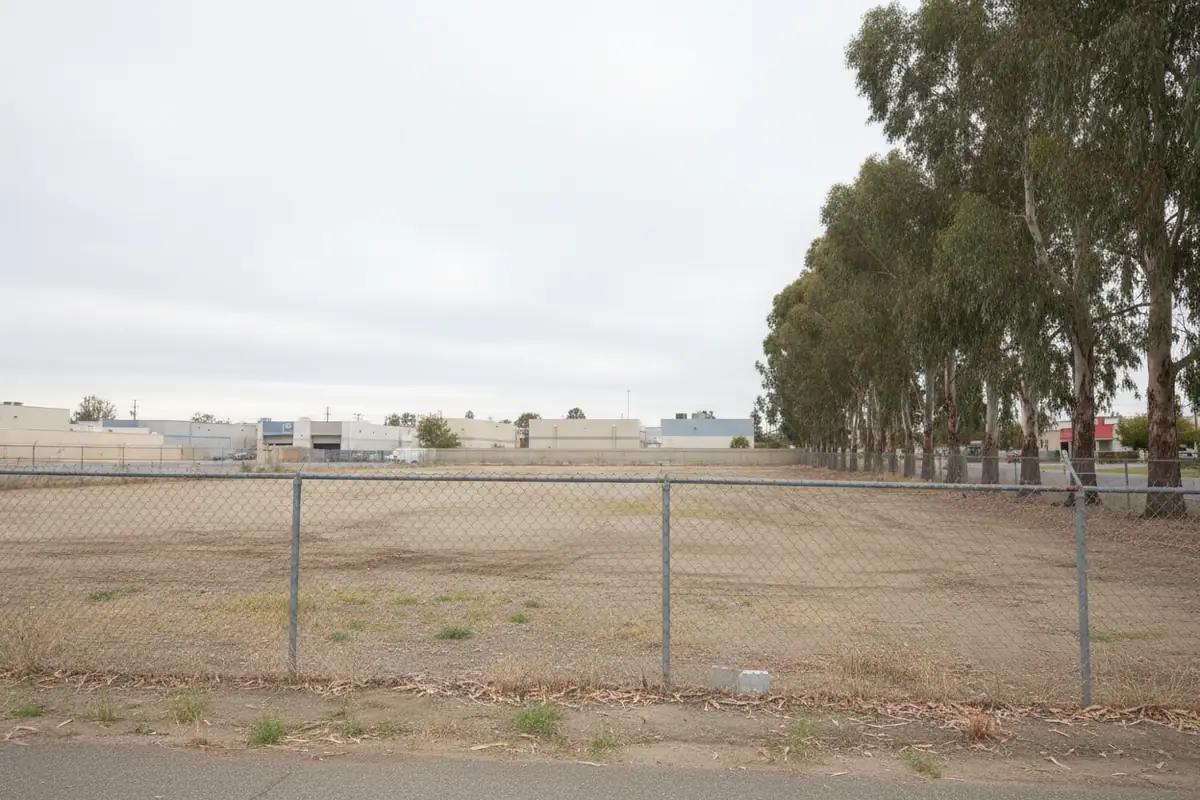
A commercial land appraisal is a written, documented opinion of the market value of a parcel zoned or used for commercial purposes, as of a stated date. Lenders, courts, executors, trustees and owners in San Diego County rely on one when commercial land is being sold or bought, settled in an estate or trust, divided in a divorce, financed, or questioned on a property tax bill.
On this page
Key Takeaways
A commercial land appraisal values the land itself: a parcel whose zoning or use is commercial, such as retail, office, industrial or mixed use. It is a formal opinion of value. The report documents the data and reasoning behind it so a lender, a court or another intended user can follow how the appraiser reached the figure.
It differs from a residential appraisal in three ways. The methods differ. The data sources differ, because commercial land sales are fewer and often less public. The intended users differ too, and they tend to expect a fuller explanation of the method.
Three approaches are common for commercial land:
- Sales comparison. The parcel is measured against recent sales of similar land in the same market.
- Income capitalization. Where the land produces or could produce income, such as ground rent, that income is converted into a value.
- Land residual. The appraiser models a likely development, then subtracts building costs from its projected value to estimate what the land contributes.
An appraisal is also not the San Diego County Assessor's assessed value. The two serve different purposes and often differ.
When This Option Fits
A formal appraisal tends to come up when a third party needs a supported value, not just a sense of the market. The common occasions in San Diego County are these.
- Sale or acquisition. A seller setting terms or a buyer testing a price may want an independent figure for a commercial parcel. A related discussion covers appraisals for private sales.
- Estate, probate or trust settlement. An executor or trustee may need a value for commercial land in the estate, as of a particular date, to report, divide or distribute it. A trust property appraisal follows the same logic.
- Divorce or dissolution. Where commercial land is part of the marital or community estate, the spouses and the court need a value they can work from.
- Property tax assessment appeal. An owner who believes the assessed value is too high may use an appraisal as support in an appeal to the San Diego County Assessment Appeals Board.
- Financing or refinancing. A lender lending against commercial land typically requires its own independent appraisal.
- Partnership or co-ownership questions. Partners or co-owners may want a neutral value before talking about a buyout. Once the matter is contested or a case has been filed, it becomes a different subject, handled by an attorney.
Each occasion calls for a different scope of work, so the purpose comes first.
How It Works, Step by Step
1. Engagement and scope of work. Before any analysis begins, the scope is set. It names the intended use (for example, an estate or a loan), the intended users (who will rely on the report), and the effective date, which is the date the value applies to. An estate valuation may look back to a date of death. A sale valuation usually looks at the present.
2. Site inspection. The appraiser visits the parcel and notes its zoning, access, frontage, utilities, topography, and any encumbrances visible on site. An encumbrance is something that limits the land's use, such as an easement path or a structure belonging to someone else.
3. Data research. The appraiser gathers comparable land sales in San Diego County and zoning information from the local jurisdiction that governs the parcel. Where they apply, the appraiser also gathers income data, such as ground lease terms, and cost data for a modeled development.
4. Valuation analysis. One or more of the recognized approaches is applied to the subject parcel. Where more than one is used, the appraiser reconciles the results into a single opinion of value.
5. Report delivery. The result is a written appraisal report prepared under USPAP, the Uniform Standards of Professional Appraisal Practice, which are the professional standards appraisers follow in the United States. The report documents the opinion of value, the data relied on, and the method used.
Commercial land often needs more research at step three than a house does, and that research is where much of the work lies.
Costs, Timing and Trade-offs
Fees for appraising commercial land vary. These factors shape the cost:
- Parcel size and complexity. This includes irregular shapes, slopes, access issues and multiple legal parcels.
- Zoning classification. Mixed-use, overlay or specific-plan zoning takes more analysis than a simple designation.
- Depth of comparable sales. Some San Diego County submarkets have few recent land sales, which widens the search in area and in time.
- Intended use of the report. A report for litigation, lending or an estate may need more support and documentation than one used for an internal decision.
- Depth of analysis. Applying an income or land residual approach adds work beyond sales comparison alone.
Timing depends on similar things: how available the data is, how complex the valuation problem is, and the report format the intended user requires. A lender or court may specify the format.
The main trade-off is effort. Commercial parcels change hands less often than houses and need more individualized analysis, so a commercial land appraisal is usually more involved, and often takes longer, than a residential one. In return, the owner gets a documented value that holds up for the uses that require it. A broader look at how purpose and scope affect fees appears in the discussion of home appraisal cost.
Options to Compare
A formal appraisal is one of several ways to get a sense of what commercial land is worth. Each alternative is built for a different purpose.
| Option | Who or what produces it | Where it is used | Limits |
|---|---|---|---|
| Broker opinion of value (BOV) | A real estate agent or broker | Listing and acquisition decisions | Not an appraisal under USPAP; generally not accepted for lending, estate, probate or litigation |
| Automated valuation model (AVM) | A computer algorithm | Quick reference | Depends on frequent comparable sales, which commercial land rarely has |
| Assessed value | San Diego County Assessor | Property tax | Set under California's property tax rules, not a current market value |
| Formal appraisal | An appraiser, under USPAP | Lending, estate, probate, divorce and most litigation | More involved and more time-consuming |
A BOV can be a reasonable starting point for an owner thinking about listing. An AVM is built on sales volume, and no direct commercial equivalent of the popular home-value websites exists for land. Assessed value is what the Assessor sets for property tax purposes under California's property tax rules; an appraisal, by contrast, is an independent opinion of market value as of a chosen date. A formal appraisal is the form accepted for lending, estate and divorce matters and for most litigation; in California probate, by contrast, the appraisal of property in the inventory is made by the personal representative, probate referee, or an independent appraiser as provided in Probate Code §8900 and the chapter it begins.
Which of these fits a given situation generally depends on who will rely on the number and for what purpose.
What to Have Ready
Before an appraisal is requested, a property owner typically gathers the following:
- Assessor's Parcel Number (APN). This is the county's identifying number for the parcel, found through the San Diego County Assessor-Recorder-County Clerk.
- A current title report or deed. This shows who holds title and any recorded encumbrances, such as easements or deeds of trust.
- Zoning designation. This includes any specific plan or overlay zone that applies, available from the city or county planning department with authority over the parcel.
- Surveys, environmental reports or soils studies. Any of these already on file can help the appraiser assess the site.
- Lease agreements or income records. These matter if the parcel produces income, such as a ground lease or parking revenue.
- The intended use of the appraisal. This might be an estate, a sale, financing or a tax appeal.
The intended use matters most. It sets the scope of work, the effective date and the report format, so knowing it early keeps the engagement aligned with the purpose. Missing documents do not usually stop an appraisal, though they can add research time.
Local Context
San Diego County is not one commercial land market. It is many submarkets: downtown San Diego, Mission Valley, Kearny Mesa, Otay Ranch and Chula Vista, National City, El Cajon, Escondido, Carlsbad, and the unincorporated county. Each has its own zoning patterns, demand drivers and depth of comparable sales. A parcel in a thin submarket raises the same comparable-sales problem discussed for homes with few comparables.
Zoning comes from whichever jurisdiction governs the parcel. That may be the City of San Diego, an incorporated city such as Chula Vista, El Cajon, Escondido, Carlsbad or Oceanside, or San Diego County for unincorporated areas. Because zoning decides what may be built, the governing jurisdiction directly shapes value. Local detail for the South Bay appears in the discussion of Chula Vista property appraisals.
The San Diego County Assessor-Recorder-County Clerk is the source for assessed values, APN lookups and recorded documents. Assessment appeals in the county are heard by the Assessment Appeals Board.
San Diego Home Appraisal & Valuation is not itself the appraiser of record and does not give legal or tax advice; it receives quote requests through its own form.
A common first step is locating the parcel's APN and current deed, and confirming which city or county planning office sets its zoning.
Take the next step
Ready to take the next step with your property?
Tell us about the property and why you need an appraisal, so an independent appraiser can confirm the right scope of work.
How it works
- The propertyIts address and its type.
- The purposeA sale, an estate or probate, a divorce, a trust, tax or a legal matter.
- Your timelineWhen the appraisal is needed.
Take the next step
How we work
- Every request is reviewed by a person. Nothing on this site calculates a value automatically.
- Appraisals are prepared by independent, state-licensed or certified appraisers, never by this website.
- Estimates and cash offers are clearly labeled — never presented as appraisals.
- A request does not commit you to anything.
Frequently asked questions
What is the most common appraisal method for commercial land?
Sales comparison is the most widely used method. It measures the parcel against recent sales of similar land in the same market. Where the land has income potential or a likely development can be modeled, an appraiser may also apply the income capitalization or land residual approach. The choice depends on the available data and the nature of the parcel.
Is there a Zillow for commercial property?
No direct equivalent exists for commercial land. Automated models depend on frequent comparable sales, and commercial parcels trade far less often than homes, which limits how reliable an algorithm's estimate can be. A formal appraisal draws on comparable sales the appraiser researches directly instead of a public automated tool.
What should a property owner know before meeting with an appraiser?
Knowing the purpose of the appraisal matters most, because it shapes the scope of work and the report format.
Who does commercial property valuations in San Diego County?
Real estate appraisers holding a state credential prepare them. For commercial land, that is typically the highest credential level, which covers nonresidential property. In California, the Bureau of Real Estate Appraisers is the state agency that oversees appraiser credentials.
How does a commercial land appraisal differ from a residential appraisal?
It uses different methods and data and needs more individualized analysis. Commercial parcels sell less often, so the search for comparable sales usually covers a wider area and a longer period. The report also tends to be more detailed, because lenders, courts and estate attorneys expect the method explained in full.
How does the San Diego County Assessor's value differ from an appraisal?
Assessed value is set for property tax under California's property tax rules, while an appraisal is an independent opinion of market value as of a specific effective date, so the two figures often differ. The San Diego County Assessor-Recorder-County Clerk publishes assessed value information.
Can a commercial land appraisal be used for a property tax appeal?
Yes. A formal appraisal can support an appeal to the San Diego County Assessment Appeals Board. Filing rules and deadlines for a specific appeal are questions for the county office, a tax professional or an attorney.
What is the difference between a broker opinion of value and a commercial land appraisal?
A broker opinion of value comes from a real estate agent or broker and helps with listing or acquisition decisions. It is not an appraisal under USPAP, and lenders, estates, probate courts and litigants generally do not accept it. A formal appraisal is prepared by a credentialed appraiser and meets the standards those uses require.