Many readers of this page are trustees named in a parent's trust, executors sorting out an estate, or beneficiaries waiting to learn what a San Diego County house will mean for the family. Alongside the grief and the paperwork, a practical question arises: what was this property worth, and on what date? The answer shapes how a trust distribution appraisal divides the property, how a sale is priced, and what a tax professional works from.
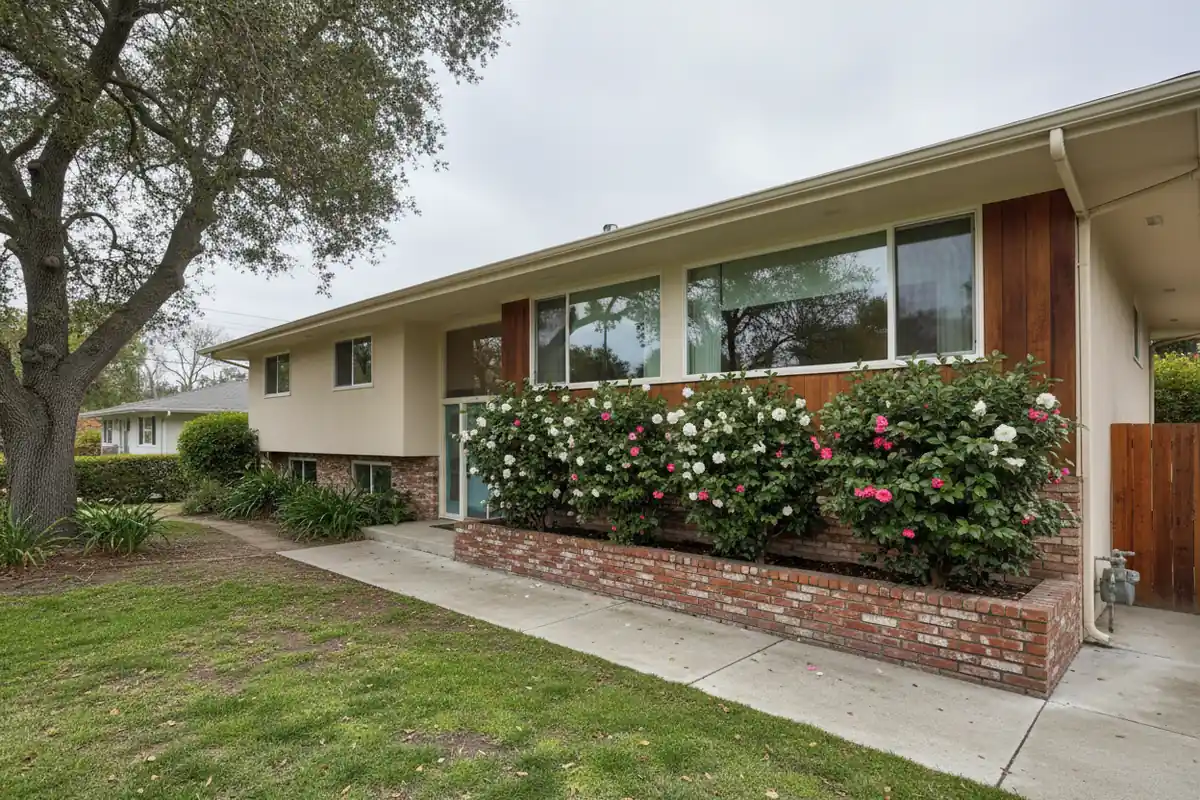
A trust property appraisal is an independent appraiser's written opinion of what a house or other real property held in a trust is worth, as of a stated date. Trustees, executors and beneficiaries use one when a trust is being administered after a death or when real estate is being divided or distributed. It is not an online estimate or an assessed value.
On this page
Key Takeaways
- What it is. A trust property appraisal is an appraisal of real property held in a trust, prepared by an independent appraiser for administration or distribution of the trust.
- What it is not. A comparative market analysis, which a real estate agent prepares to help price a listing, and an online home value estimate are market reviews, not appraisals. An assessed value is the county assessor's figure for property tax purposes.
- Two common triggers. Trust administration after the person who created the trust dies, which often calls for a value as of the date of death, and trust distribution, where real property passes to or is divided among beneficiaries.
- What California law says about estate inventories. Under Probate Code section 8900, "the appraisal of property in the inventory shall be made by the personal representative, probate referee, or independent expert as provided in this chapter." A personal representative is the executor or administrator of a probate estate; a probate referee is an appraiser appointed in probate.
- Who may give a value in court. Evidence Code section 813 provides that the value of property may be shown only by the opinions of qualified witnesses, the owner or the owner's spouse, or an "officer, regular employee, or partner" designated by an owning entity who is knowledgeable about the value.
- Cost. Fees depend on the property and the assignment; no single figure applies.
Trust Administration and Probate: Two Different Settings
Readers are not always sure which situation they are in, and the difference affects which rules come into play.
- Property held in a trust. When real estate was placed in a trust, such as a revocable living trust, during the grantor's lifetime, the trustee generally manages and distributes it under the trust document's terms. A trust of this kind is commonly used to keep property out of probate, so the trustee's work is usually not a probate court proceeding.
- Property in a probate estate. When property passes through probate, for example under a will or with no estate plan, a court supervises the estate. The personal representative prepares an inventory, and Probate Code section 8900 governs who makes the appraisal of the property in that inventory.
Some families have both: a trust that holds the house and a probate estate for other assets, or property that was never transferred into the trust. Whether a particular property is trust property or part of a probate estate is a question an attorney answers by reviewing the trust document and the recorded title.
When This Option Fits
A trust property appraisal fits when real estate held in a trust needs a documented value for a specific purpose. The usual situations include:
- Trust administration after a death. The person who created the trust, often called the grantor, has died, and the property has to be accounted for.
- Distribution to beneficiaries. One child keeps the house and the others receive other assets, or the property is divided, and everyone needs a common value to work from.
- A date-of-death value for tax purposes. A CPA or tax attorney may ask for the property's value as of the date of death when working out the property's cost basis. Whether and how that applies to a particular trust or sale is a question for that tax professional.
- A decision to sell or transfer. The trustee is deciding whether to sell, hold or transfer trust real estate and wants a value that rests on more than an online figure.
Roles matter here. The trustee is the person the trust document names to manage the trust's property. Beneficiaries are the people who receive the trust's property under its terms. Who has authority to order an appraisal, sign a listing or transfer a deed depends on what the trust document says, and an attorney reads that document on the facts.
A date-of-death appraisal looks backward: it states fair market value as of a specific past date, not today's market. A current-market appraisal answers a different question, and the two values can differ.
Where co-trustees or beneficiaries disagree about the property or a case has been filed, that contest is a separate subject handled by an attorney.
How It Works, Step by Step
- The purpose and effective date are set. Administration, distribution or a date-of-death value each points to a different effective date, the date the value speaks to. That date decides which comparable sales, meaning recent sales of similar nearby properties, the appraiser studies.
- Property information is gathered. The address, the assessor's parcel number (the county's identifying number for the lot), the trust pages that identify the property, and any prior appraisals or title records give the appraiser a starting point.
- A quote is requested. A request usually describes the property address, the property type, the purpose of the appraisal and the effective date. The appraisal itself is prepared by an independent appraiser.
- The appraiser inspects and researches. The independent appraiser views the property and researches comparable sales in San Diego County. For a date-of-death assignment, the research uses historical market data from around that date, and the property's condition at that time can matter even if the house has changed since.
- The report is delivered. A completed appraisal report typically describes the property, states the effective date and the purpose, explains the comparable sales and adjustments, and sets out the appraiser's concluded opinion of value.
For a closer look at how an appraisal of a house proceeds in general, the single-family home appraisal page walks through it.
Costs, Timing and Trade-offs
An appraisal fee for trust property is set for the specific assignment, so it varies. The factors that usually shape it include:
- Property type and complexity. A typical house differs from a large lot, a multi-unit building or a property with unusual features.
- Location within San Diego County. Areas with few comparable sales can take more research.
- The effective date. A retrospective, date-of-death appraisal may require additional research into a past market.
- The intended use. A report prepared for a trust, an estate or a court may need more support and explanation.
Timing depends on variables rather than a set schedule: how soon the property can be accessed and inspected, how far back the effective date reaches, and the appraiser's workload. None of these can be promised in advance.
An independent appraisal rests on an inspection and a documented analysis of comparable sales, which is why trustees, attorneys and tax professionals tend to ask for one in a trust or estate setting. In exchange it involves a fee, scheduling and some time. A quicker, lower-cost estimate is not a substitute when a trust or estate needs a documented value. The accuracy of home value estimates is a related question many trustees ask before ordering one.
Options to Compare
Each kind of valuation answers a different question. Comparing them side by side shows what each can and cannot support.
| Option | Who prepares it | What it rests on | Where it fits | Its limits |
|---|---|---|---|---|
| Independent appraisal | An appraiser | Inspection and comparable sales analysis, as of a stated date | Trust administration, distribution, estate and tax work | Fee, scheduling, time |
| Comparative market analysis or broker price opinion | A real estate agent | Recent sales and listings | Pricing a listing, a first look at the market | Not an appraisal; generally not a substitute in trust or estate work |
| Automated valuation model (online estimate) | Software | Public records and sales data, no inspection | Rough orientation | Misses condition and local detail; not an appraisal |
| Assessed value | San Diego County Assessor | Property tax rules | Property tax bills | A tax figure, not fair market value for a distribution |
A trustee who wants an early sense of the market before ordering an appraisal sometimes starts with a home value review by address, which is a market review and is described as one. Which option suits a given trust depends on its purpose and on what the attorney, CPA or other professional handling the matter needs.
What to Have Ready
A request moves more smoothly when the basic records are at hand. The items usually involved are:
- The property address and assessor's parcel number. The parcel number appears on the property tax bill and in the San Diego County Assessor-Recorder-County Clerk's records.
- The trust document, or its pages identifying the property. These show that the property is held in the trust and who acts as trustee.
- The effective date. For a date-of-death appraisal, that is the date of death; otherwise, the date the trustee or attorney names.
- Prior records. Earlier appraisals, a title report and recent property tax bills help describe the property.
- Access details. Whether the home is vacant, occupied by a family member or rented to a tenant affects how an inspection is arranged.
For many trustees, the practical next step is locating the trust document and confirming the property's assessor's parcel number from the tax bill or county records before a quote is requested.
Local Context: Trust Property Appraisals in San Diego County
San Diego County covers a wide range of housing markets, and trust property can come from any of them. A trust might hold a cottage in La Jolla, a condo in Del Mar or a house in Coronado along the coast, or a home inland in El Cajon, Santee or Escondido. Others hold property in the city of San Diego or in unincorporated San Diego County, where lot sizes, access and comparable sales can look very different from a city neighborhood.
That variety is why local market knowledge matters, and it matters more for a date-of-death appraisal. The appraiser has to understand what similar San Diego County properties were selling for around that past date, not only what they sell for today.
The San Diego County Assessor-Recorder-County Clerk keeps the county's property records and assessed values, which makes it a common starting point for confirming a parcel number and the recorded ownership history. When real property passes through a probate estate rather than a trust alone, the matter is heard by the Superior Court of California, County of San Diego, and the estate and probate appraisal process, including the inventory rule in Probate Code section 8900 described above, applies to that estate.
Take the next step
Ready to take the next step with your property?
Tell us about the property and why you need an appraisal, so an independent appraiser can confirm the right scope of work.
How it works
- The propertyIts address and its type.
- The purposeA sale, an estate or probate, a divorce, a trust, tax or a legal matter.
- Your timelineWhen the appraisal is needed.
Take the next step
How we work
- Every request is reviewed by a person. Nothing on this site calculates a value automatically.
- Appraisals are prepared by independent, state-licensed or certified appraisers, never by this website.
- Estimates and cash offers are clearly labeled — never presented as appraisals.
- A request does not commit you to anything.
Frequently asked questions
What does real property mean in a trust?
Real property is land and what is permanently attached to it, such as a house, a condominium or a vacant parcel. In a trust, it is real estate that was placed in the trust, and the trust document identifies it. The trustee named in that document manages it under the trust's terms.
What is a date-of-death appraisal and when is one needed for a trust?
It is an appraisal that states a property's fair market value as of the day the person who created the trust died, not as of today. Trustees often need one during administration and distribution, and tax professionals may ask for it. The appraiser studies comparable sales from around that past date.
How much does a trust property appraisal cost?
The fee varies with the property's type and complexity, its location within San Diego County, the intended use and whether the effective date is current or historical. No single figure applies, so a quote for the specific property is how an owner or trustee learns the fee.
Is a trust property appraisal different from a regular home appraisal?
The method is similar, but the purpose and the effective date differ. A trust appraisal supports administration, distribution or tax work, often as of a past date, rather than a mortgage loan or a listing. That purpose shapes how the report is written and what it explains.
Can a trustee transfer property to himself?
That depends on the trust document's terms and California law on a trustee's duties and conflicts of interest. It is a legal question about trustee authority, and an attorney reviews it on the facts of the specific trust.
Does San Diego County have specific requirements for trust property appraisals?
The rules come from California law rather than a county rule. For a probate estate's inventory, Probate Code section 8900 names who makes the appraisal, and Evidence Code section 813 lists who may give an opinion of value in court, as described in the Key Takeaways above.
How should a parent leave a house to their children?
That choice, whether through a trust, a will, joint ownership or another arrangement, depends on the parent's estate plan, taxes and family circumstances. It is an estate planning question that an estate planning attorney and a tax professional review.