You own a townhouse in San Diego County, or you are the heir, executor, trustee or spouse now responsible for one, and a decision is waiting on a number: whether to list, whether a refinance makes sense, how a buyout among co-owners might look, or what an estate is holding. The figures you have found so far probably disagree with one another. This page lays out what a townhouse valuation involves, where it fits, and how it compares with an appraisal, an automated estimate and the county's assessed value.
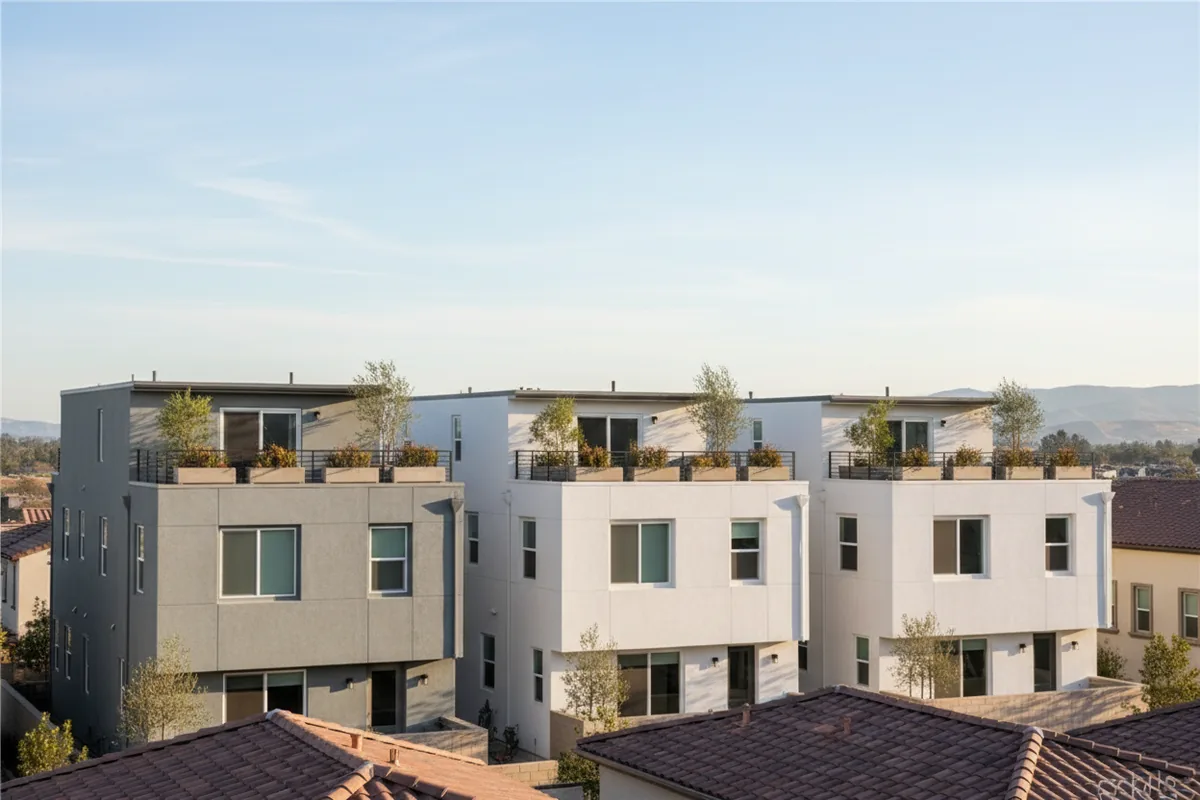
A townhouse valuation is a reviewed estimate of what your San Diego County townhouse would likely sell for today, built from recent sales of similar townhouses nearby and adjusted for shared walls, HOA dues, parking, size and condition. It is a local market review, or CMA. It is not an appraisal, and it is not an instant online estimate.
On this page
Key Takeaways
A townhouse valuation here means a local market review, also called a comparative market analysis or CMA: a reviewed estimate of market value drawn from recent comparable sales. "Market value" means, in plain words, the price a ready, willing and able buyer would pay a ready, willing and able seller in an arm's-length sale, one between parties who are not related and are each acting in their own interest.
Three other figures often get confused with it:
- A formal appraisal. A written opinion of value prepared by an appraiser holding a credential from the California Bureau of Real Estate Appraisers (BREA).
- An automated valuation model (AVM). A computer-generated estimate, such as Zillow's Zestimate, drawn from public records and recent sales.
- Assessed value. The taxable value the San Diego County Assessor sets for property tax under Proposition 13, which is a separate figure from market value.
Townhouses need careful comparables. Shared walls, HOA fees and rules, attached or detached configuration, living area, a lot that is often minimal or none at all, parking, and how often units in the same complex sell all shape which sales belong in the comparison.
When This Option Fits
A local market review tends to fit an owner who needs a grounded picture of value before a formal step, not a document for a lender or a court. Common situations include:
- A seller deciding whether and at what price to list. A review shows how the townhouse sits against recent sales nearby; a pre-listing home valuation covers that path in more depth.
- An owner considering a refinance. A review gives a preliminary sense of value before the lender orders its own appraisal.
- A co-owner or heir before a buyout conversation. A review helps each person understand relative value before anyone commits.
- A trustee or executor. A review offers a general value picture before an appraiser is engaged for probate, trust or estate purposes, as described under trust property appraisal.
Other situations generally call for a formal appraisal by an appraiser credentialed through BREA, the state authority that issues appraiser credentials in California. These can include some mortgage lending, divorce matters where a court needs a formal value (see divorce real estate appraisal), and some property-tax appeals where a formal opinion is wanted. In California probate, the appraisal of property in the inventory is made by the personal representative, probate referee, or an independent appraiser as provided in Prob. Code § 8900 and the chapter it begins. A local market review is not a substitute for an appraisal in a legal, lending or court proceeding. Neither tool is better in general; each answers a different question.
How It Works, Step by Step
The process follows a familiar order. Knowing it helps an owner see where an estimate comes from, and where it could go wrong.
- Identify the subject property. The review starts with the address, whether the townhouse is attached or detached, living area, bedroom and bathroom count, the HOA, parking and condition.
- Pull recent comparable sales. The comparables are townhouses in the same or adjacent San Diego County neighborhoods or ZIP codes, with similar configuration, size and HOA structure. Condo sales and detached single-family sales are generally not direct comparables. A condo often lacks the townhouse's private entry and multiple levels, and a detached house carries its own land and privacy, so each attracts a different buyer.
- Adjust for differences. No two units match. Each comparable is adjusted upward or downward for differences in living area, condition, parking, HOA dues, view, floor level or end-unit position, and complex amenities such as a pool.
- Reconcile the adjusted sales. The adjusted comparables are brought together into a value range or a single point estimate. The closest matches count most.
- Deliver the market review. The result is a written or documented estimate of market value. It is not an appraisal report, it does not promise a sale price, and a lender will not accept it as a value.
The same steps apply whether the townhouse is in Chula Vista, Carlsbad, Escondido, El Cajon, La Mesa, Santee, Mira Mesa, Rancho Bernardo, Carmel Valley or Mission Valley. What changes is which sales qualify as comparables.
Costs, Timing and Trade-offs
Each way of getting a value trades effort and formality for weight. A market review is usually quicker and less formal than an appraisal. It carries less weight in legal, lending or court settings. A formal appraisal typically takes longer, involves a site visit, costs more, and produces a report a lender or court will accept. What shapes an appraisal fee is covered under home appraisal cost.
An AVM sits at the other end. It is instant and free to view. It cannot see a townhouse's interior, the HOA's condition, or a small shift inside one complex. A local market review is slower than an AVM, but it takes those factors into account through comparable selection and adjustment.
Assessed value is another figure entirely. Under Proposition 13, the San Diego County Assessor sets an assessed value for property-tax purposes. That value is not reset to market value every year. It is generally reset when a change of ownership or new construction occurs. For a townhouse held a long time, the assessed value and the market value can be far apart, and neither tells you the other. The Assessor's office is the place for questions about assessed value.
Options to Compare
These four tools each answer a different question about a San Diego County townhouse.
| Option | What it is | Where it fits | What it does not do |
|---|---|---|---|
| Local market review / CMA | A reviewed estimate of market value from adjusted comparable townhouse sales | Listing decisions, refinance planning, buyout conversations, an early estate picture | Serve as an appraisal for a lender, court or formal filing |
| Formal appraisal | A written opinion of value by an appraiser credentialed through BREA, usually with a site visit | Some mortgage lending, court-related divorce valuations, some tax appeals (probate inventory appraisals are made by the personal representative, probate referee, or an independent appraiser under Prob. Code § 8900) | Come quickly or cost as little as a review |
| Automated valuation model (AVM) | An algorithm's estimate from public records and recent sales, such as Zillow's Zestimate | A quick starting point | See interior condition, HOA specifics or one complex's sales; Zillow describes its Zestimate as a starting point, not an appraisal |
| Assessed value | The San Diego County Assessor's taxable value under Proposition 13 | Property-tax questions | Track current market value |
An owner selling without an agent may use more than one of these; appraisal for a private sale describes that situation.
What to Have Ready
Gathering details before a review starts makes the comparable selection tighter. Useful items include:
- Property address and legal description. The legal description appears on the deed.
- Living area square footage. Public records sometimes differ from the actual finished area of a townhouse, so any measurement you have helps.
- Bedroom and bathroom count.
- HOA details. These include the association's name, monthly dues and any special assessments, which are charges beyond regular dues.
- Parking. Note whether it is an attached garage, a detached garage, a carport or an assigned space.
- Year built and renovations. Include major updates or additions.
- Known condition issues. Roof, HVAC or foundation concerns are information the reviewer needs to adjust fairly.
- Recent sale or listing history. Include it if you have it.
The HOA's finances deserve a closer look. Reserves, pending special assessments and any association litigation affect how buyers and lenders treat a townhouse. That makes the HOA's current financials and notice of any pending assessments a practical set of documents to find and ask the association for before a market review is requested.
Local Context
San Diego County is too varied for one set of comparables to serve every townhouse. Coastal areas, inland communities and North County each have their own housing stock, HOA patterns and buyer pools. Two townhouses of similar size and configuration can draw quite different comparable sets depending on where in San Diego County they sit.
Townhouse inventory is notable across the county. In the South Bay, Chula Vista and National City have many townhouse complexes. In East County, El Cajon, La Mesa and Santee do too. Within the City of San Diego, Mira Mesa, Rancho Bernardo, Carmel Valley and Mission Valley each have their own complexes and HOA structures. North County includes Carlsbad, Oceanside and Escondido. A comparable from one of these areas rarely stands in for a sale in another, which is why local comparable selection carries so much of a review's accuracy. A townhouse with an unusual layout or setting can have few true comparables; appraisal for unique homes addresses that.
For assessed value and ownership records, the San Diego County Assessor-Recorder-County Clerk is the county office that maintains property ownership records and assessed values for townhouses throughout San Diego County. An owner can check the recorded owner and the current assessed value with that office before comparing those records against a market review.
Take the next step
Ready to take the next step with your property?
Answer a few questions and receive a reviewed market value estimate for your property.
How it works
- The propertyIts address, type, size, bedrooms and bathrooms.
- Its conditionFrom recently updated to needing significant work.
- Your reasonCurious, selling, refinancing or planning an estate.
Take the next step
How we work
- Every request is reviewed by a person. Nothing on this site calculates a value automatically.
- Appraisals are prepared by independent, state-licensed or certified appraisers, never by this website.
- Estimates and cash offers are clearly labeled — never presented as appraisals.
- A request does not commit you to anything.
Frequently asked questions
What is a sound way to find the value of a townhouse?
A local market review based on recent comparable townhouse sales in the same San Diego County submarket is a grounded starting point. For lending, court matters or formal filings, a formal appraisal by an appraiser credentialed through BREA is generally what is called for.
How does a Zestimate or automated estimate differ from a local market review?
An AVM works from public records and sales that an algorithm matches to the property. It cannot account for interior condition, HOA finances, parking or one complex's sales. A local market review builds those factors in through hands-on comparable selection and adjustment. Neither one is an appraisal.
Does square footage affect a townhouse's value differently than a single-family home?
Square footage is measured the same way for both: finished living area. For a townhouse, though, a per-square-foot comparison is most reliable against other townhouses in the same complex or nearby similar complexes. Detached homes have different land and privacy, so they make a weaker comparison.
What does the San Diego County Assessor's assessed value mean, and how does it differ from market value?
Assessed value is the taxable value the San Diego County Assessor sets under Proposition 13. It is generally reset only at a change of ownership or new construction, not to market value every year. Market value is what a ready buyer would pay a ready seller today. The two can differ widely.
When is a formal appraisal required instead of a market review?
A formal appraisal is generally called for in some mortgage lending, divorce matters where a court needs a formal value, and some property-tax appeals. In probate, the appraisal of inventory property is made by the personal representative, probate referee, or an independent appraiser under Prob. Code § 8900. A local market review does not substitute for a formal valuation in those settings.
How do HOA fees affect a townhouse's comparable value?
Dues are a carrying cost that buyers factor into what they will pay. A townhouse is usually compared with others carrying similar dues. Reserves, pending special assessments and any association litigation also affect how buyers and lenders view the unit.
Is a free online townhouse valuation calculator accurate?
An online calculator is an AVM. It does not see HOA fees, interior condition, parking or how often units in the complex sell. It is a starting point, not a reviewed market opinion. Zillow describes its own Zestimate as an estimate, not an appraisal.