You may be asking this because a decision is coming. It could be a sale you are thinking about, a refinance, a divorce, or an estate or trust you now manage. Each of these puts a number in front of you. The hard part is knowing which number you are looking at, and whether it is the right kind for the decision in front of you. This guide separates those numbers in plain words. It explains what pulls them apart, and it shows which kind of value each situation tends to call for.
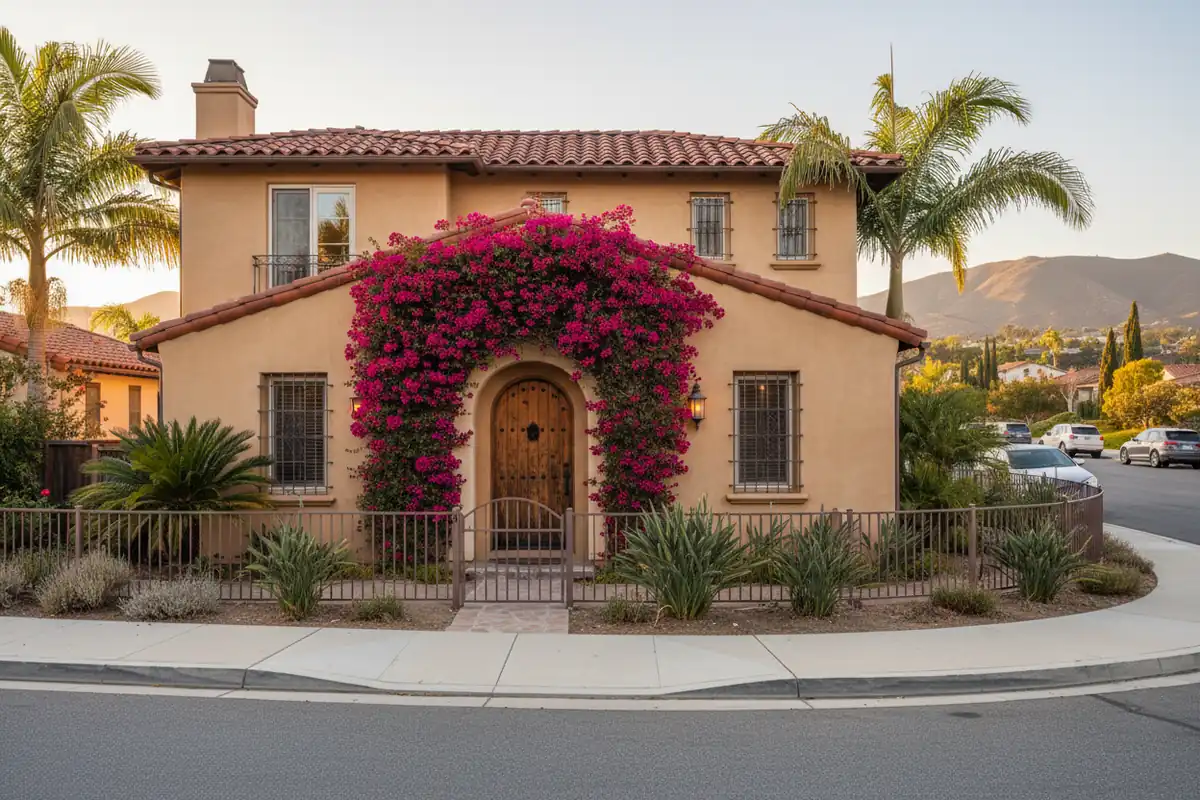
What your house could sell for is the price a ready, willing and able buyer agrees to pay in a signed contract. That price can differ from both the home's market value and its list price. In San Diego County, the gap depends on the home's condition, local demand and how the property is offered.
On this page
What It Means for Owners
Three numbers sit behind the question "how much could I sell my house for," and they are not interchangeable.
Market value is what a ready, willing and able buyer would pay a ready, willing and able seller in an arm's-length transaction on the open market. An arm's-length transaction is a sale between parties who are not related and who each act in their own interest. Market value is an opinion about a likely price, not a price anyone has paid.
List price is the asking price an owner and their real estate agent set when the property goes on the market. It is a starting point for buyers. It does not promise what the home will bring.
Sale price is the amount a buyer and seller actually agree to in a signed purchase contract. It is the only one of the three that reflects a real deal.
These figures can sit close together or far apart. A home priced above what buyers in its San Diego County neighborhood will pay may sit unsold until the price comes down. A home in sought-after condition, offered where buyers are competing, may draw a contract above its list price. Condition, local market conditions and the way the property is presented all move the gap.
For an owner, the difference matters because each decision leans on a different number. A list price guides a sale. A market value opinion may be what a court, a lender or an estate needs. A sale price is what actually reaches the closing statement.
How a market value opinion is built
Because market value is an opinion rather than a price already paid, it has to be reasoned out from evidence. The core evidence is recent sales of comparable homes nearby. An appraiser looks at how those homes compare with the subject property in condition, size and lot, and in the timing of each sale, and then weighs current demand in that part of the county. This comparison-based reasoning is why two homes on the same street can carry different values, and why the date a value is given as of matters to whoever relies on it.
Why the gap varies across San Diego County
San Diego County is not one market. Demand in one neighborhood can be strong while it is softer in another, and the pool of recent comparable sales can be deep in one area and thin in the next. A property type with many similar recent sales nearby tends to produce a narrower range of reasonable values. A home with few true comparables tends to produce a wider one, which leaves more room between market value, list price and sale price. The same comparison-based reasoning applies everywhere in the county; what changes is how much local evidence there is to reason from.
Who It Affects
Knowing what a house could sell for becomes a practical question in several San Diego County situations.
An owner preparing to sell needs a realistic price range before listing. A list price set too high or too low shapes how buyers respond.
A spouse in a divorce may find that the home's market value is a factor in dividing community property under California law. Community property is property the spouses acquired during the marriage that the law treats as owned by both. A contested valuation in a divorce is a legal matter handled by an attorney.
An executor or trustee may need a value for probate, for estate tax or for distributing property to beneficiaries. The steps of an estate valuation are explained in estate and probate appraisals.
An heir receiving property may hear about stepped-up basis and fair market value at the date of death. In plain terms, basis is the starting figure used to measure gain for tax purposes, and "stepped-up" refers to that starting figure being tied to the property's value at the date of death. Both affect later tax questions. Those questions go to a CPA, an enrolled agent or a tax attorney.
An owner considering a refinance will often find that the lender orders its own appraisal. The owner's estimate and the lender's appraisal may not match.
An owner disputing a property tax assessment is dealing with assessed value, which is a different figure from market value (see Rules, Disclosures and Fine Print below). Formal assessment appeals go to the county board, which state law defines as "a county board of supervisors meeting as a county board of equalization or an assessment appeals board."
Rules, Disclosures and Fine Print
California law requires a seller to disclose known material facts about a property's condition to a buyer. A material fact is something that could affect a buyer's decision or the price they would pay. That duty does not depend on whether the buyer pays cash or how the house is sold. A house can be sold in its present condition, and the disclosure requirements that apply to that sale still apply. A real estate attorney or a real estate agent can identify which specific disclosures apply to a particular property and sale.
A second piece of fine print concerns two numbers that are easy to mix up. Assessed value is the figure the San Diego County Assessor uses to calculate property taxes under California's property tax rules. Market value, defined above, is set by a different process, and the two can differ substantially. A tax bill does not tell an owner what the home would sell for. The Assessor's office is the place for questions about assessed value.
A third point is that the three common sources of a number do different jobs. An online home value estimate comes from an automated tool that runs public records through an algorithm. A comparative market analysis (CMA) is a real estate agent's review of recent comparable sales, used to suggest a list price. An appraisal is a formal value opinion prepared by an appraiser. Only the last of these is an appraisal, and each carries a different purpose and a different level of reliability.
Options and Trade-offs
An owner has several ways to find a number and several ways to sell. Each one gives up something to gain something else.
Online automated valuation tools, such as Zillow's Zestimate, are fast and free. They rely on public records and algorithms, though. Their accuracy varies by neighborhood and by how much recent sales data exists across San Diego County.
A comparative market analysis draws on recent comparable sales nearby. It reflects an agent's judgment about where to set a list price. It is not a formal appraisal.
A formal appraisal is the most defensible value opinion when the number has to stand up for a legal, financial or tax purpose. Lenders require one for most mortgage transactions.
Listing on the open market through a real estate agent typically reaches the widest pool of buyers. It involves commissions, preparation, showings and dependence on a buyer's financing.
Selling directly to a buyer who pays cash and takes the property as-is changes that balance. Such an offer is often lower than an open-market sale price, because that buyer is absorbing the repairs, the risk and the cost of reselling. In return, the seller deals with less preparation, fewer showings and less reliance on a buyer's loan. The disclosure duties described under Rules, Disclosures and Fine Print apply either way.
Comparing written offers side by side shows which path fits. The useful figure is estimated net proceeds: the price less commissions, repairs, carrying costs, loan payoffs and closing costs.
Mistakes to Avoid
Several of these mistakes are common for an understandable reason: online figures and tax bills are the numbers an owner sees most often, so they tend to feel like the real ones.
Treating an online estimate as a final price. Automated tools work from public data. They may miss recent sales, the home's actual condition, or a shift within one San Diego County neighborhood that has not yet shown up in the records.
Reading a tax bill as a sale price. Assessed value serves a tax purpose, not a measure of what a buyer would pay today.
Pricing off a neighbor's sale. A house down the street may differ in condition, size or lot, or may have sold at a different moment in the market. Each of those differences can move the price.
Skipping an appraisal when the purpose calls for one. In a divorce, probate or estate matter, a CMA or an online estimate is not a substitute for a formal appraisal. A number that cannot be supported can become a problem later. This is especially true when another party, a court or a tax return relies on it.
Reading an as-is offer as full market value. A direct cash offer usually lands below an open-market price, because the buyer is pricing in the work and the risk described under Options and Trade-offs.
What to Do Next
The useful first step is naming which figure the situation actually requires. Each situation starts in a different place:
- Property tax question: assessed value is held by the San Diego County Assessor's office; a formal appeal goes to the county board described above.
- Refinance: the lender often orders its own appraisal as part of the loan.
- Sale: a real estate agent's CMA is the usual starting point for a list price, and an appraisal can add a formal opinion of value.
- Divorce, estate, probate or trust: a formal appraisal from an appraiser is the usual starting point, except that in a probate the personal representative delivers the inventory to "the probate referee designated by the court," who appraises "all property other than that appraised by the personal representative." An attorney or a tax professional addresses the legal and tax side.
Two documents often help at this stage: the most recent property tax bill, which shows the assessed value, and the grant deed, which shows how title is held. It also helps to know, from whoever needs the number, what kind of value they will accept and as of what date.
Take the next step
Ready to take the next step with your property?
Answer a few questions and receive a reviewed market value estimate for your property.
How it works
- The propertyIts address, type, size, bedrooms and bathrooms.
- Its conditionFrom recently updated to needing significant work.
- Your reasonCurious, selling, refinancing or planning an estate.
Take the next step
How we work
- Every request is reviewed by a person. Nothing on this site calculates a value automatically.
- Appraisals are prepared by independent, state-licensed or certified appraisers, never by this website.
- Estimates and cash offers are clearly labeled — never presented as appraisals.
- A request does not commit you to anything.
Frequently asked questions
What is the most accurate home value estimator?
No single online tool is the most accurate for every property. Automated tools use public records and algorithms. Their accuracy depends on how much recent comparable sales data exists in a given San Diego County neighborhood. For legal or financial purposes, a formal appraisal is the most defensible value opinion.
What devalues a house the most?
Deferred maintenance and condition problems reduce what buyers will pay. So does a location that compares unfavorably with similar homes nearby. Broader shifts in buyer demand can also pull prices down. How much any one factor matters depends on the property and its local market.
What is the hardest month to sell a house?
No single month is the hardest everywhere. Buyer activity in San Diego County can slow in some seasons. Local inventory, interest rates and economic conditions also shape how quickly homes sell and at what price.
How can I check the market value of my property?
There are three common routes: an online automated estimate, a real estate agent's comparative market analysis, or a formal appraisal. They are listed here from least to most reliable for legal or financial use. The San Diego County Assessor's office holds assessed value, which is a separate figure used for property taxes.
What is the difference between market value, list price, and sale price?
Market value is an opinion of what an open-market buyer would pay. List price is the asking price. Sale price is the figure in a signed contract. These terms are defined under What It Means for Owners above. Condition, local demand and how the home is offered move the gap between them.
Is assessed value the same as what my house could sell for?
No. Assessed value is set by the San Diego County Assessor for property tax purposes, while market value comes from comparable sales, condition and current demand. The distinction is explained under Rules, Disclosures and Fine Print above.
Do I need a formal appraisal to find out what my house could sell for?
It depends on the purpose. For a general sense of value before deciding whether to sell, an online estimate or a CMA may be enough. A divorce, probate, estate or lending matter typically calls for a formal appraisal.
How much could I sell my house for if I sell it as-is?
A house can be sold in its present condition. An as-is buyer usually offers less than open-market value, because that buyer takes on the repairs, the risk and the resale cost. The seller disclosure duties described under Rules, Disclosures and Fine Print still apply.