You may own a house in Escondido, Chula Vista or La Jolla and need a number someone else will accept: a lender reviewing a refinance, a spouse dividing what you built together, a court overseeing a parent's estate, or a trust that has to be divided among siblings. The value is no longer only a personal question. It now has to stand on paper, and you are trying to work out what kind of valuation the situation calls for and what ordering one involves.
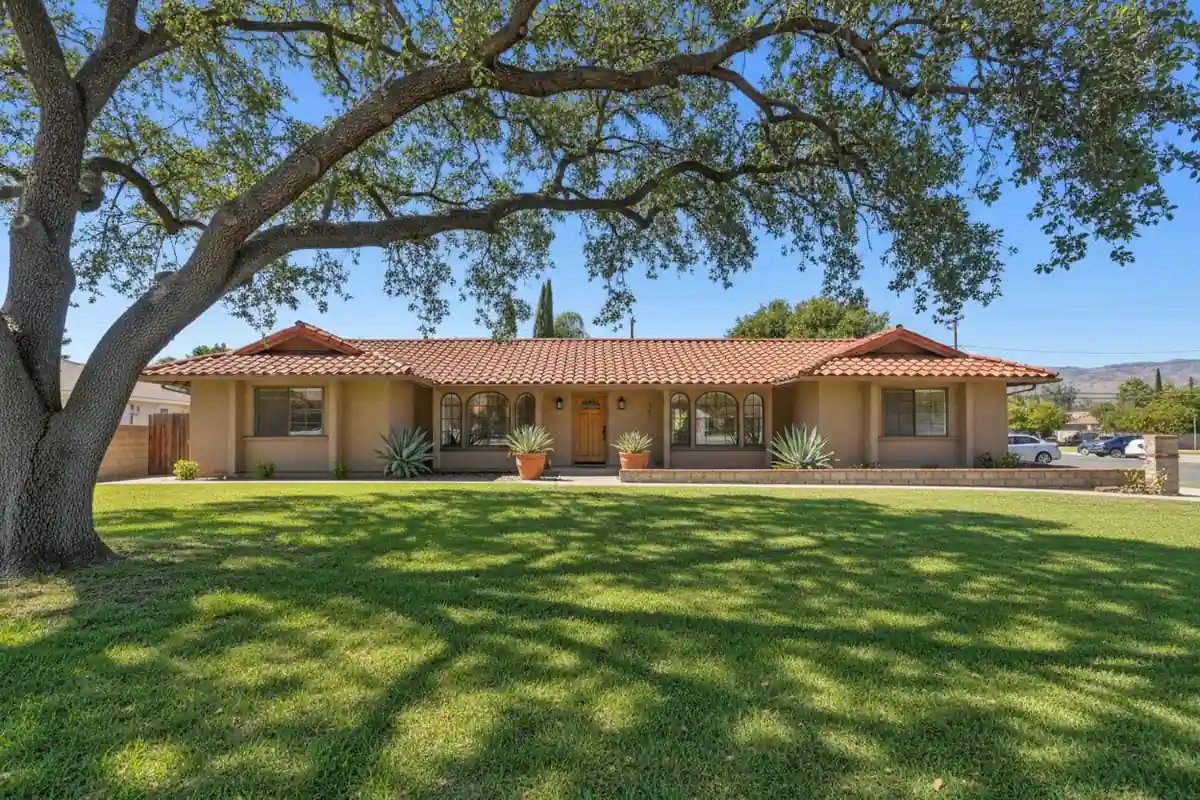
A single-family home appraisal is a written opinion of a house's market value, prepared by an independent appraiser for a stated purpose and date. It is the tool a lender, a court or an estate relies on when an estimate is not enough. Online figures, an agent's pricing analysis and the county's assessed value are different things built for different jobs.
On this page
Key Takeaways
- What it is. An appraisal is an appraiser's independent, written opinion of a property's market value as of a stated date, for a stated use. It is not prepared by a lender, a real estate agent or this site.
- What it is not. Online estimates, agent pricing analyses and assessed values each answer a different question; the comparison table below sets them side by side.
- Common triggers. These include a sale or purchase, a refinance, a divorce, probate or estate administration, a trust administration, and a question about property taxes.
- California rules that touch value. Family Code section 2552 sets when a divorce court values community assets. Probate Code section 8900 sets who appraises property in an estate inventory. Both are explained below.
- Lenders. A federal rule for the lenders it covers, 12 C.F.R. § 34.43, generally requires an appraisal by a state-credentialed appraiser for real estate-related financial transactions, with listed exceptions.
- The process. It has defined steps: an inspection, research into comparable sales, an analysis and a written report.
- Cost. There is no single price. Cost varies with the property, the intended use and the scope of the work.
When a Single-Family Home Appraisal Fits
A sale or purchase is the most familiar trigger. A buyer's lender often requires an appraisal. A seller in Carlsbad or Santee may also order one independently before choosing a list price.
A refinance often requires one as well. Under 12 C.F.R. § 34.43, an appraisal is required for real estate-related financial transactions "except those in which" listed conditions apply. The exceptions include a residential transaction with a transaction value of $400,000 or less, certain transactions involving an existing extension of credit, and transactions wholly or partially backed by a United States government agency or government sponsored agency. The list continues in the regulation. For some of the excepted transactions, the regulation still requires the lender to obtain "an appropriate evaluation" of the property. Lenders often need an appraisal, but not always.
A divorce calls for a value tied to a date. Family Code section 2552 provides that "the court shall value the assets and liabilities as near as practicable to the time of trial." On 30 days' notice by the moving party, the court may instead, for good cause shown, value assets at a date after separation and before trial. An appraisal of the house is one way that value is shown.
An estate in probate follows a statute. Probate Code section 8900 provides that "the appraisal of property in the inventory shall be made by the personal representative, probate referee, or independent expert as provided in this chapter." Section 8900 does not make these appraisers interchangeable; which one appraises a given asset depends on the rest of that chapter.
A trust administration may need a current value for a distribution, a sale or an accounting.
A property tax question can arise when an owner believes the assessed value is higher than market value.
A formal appraisal is not the right tool for every value question. For an early or informal question, a reviewed market estimate such as a home value review by address may answer it.
How a Single-Family Home Appraisal Works, Step by Step
1. The appraisal is ordered. Who orders it depends on the purpose. It may be a lender, an attorney, an executor, a trustee or the owner. Whoever orders it receives the report.
2. The appraiser inspects the house. The appraiser visits the property and looks at the interior and exterior. The appraiser notes the home's condition, features and improvements. This includes any accessory dwelling unit, or ADU, which is a second, smaller home on the same lot.
3. The appraiser researches comparable sales. Comparable sales, or "comps," are recent sales of similar homes nearby that match the subject house in size, location, condition and features as closely as the market allows. A house in Poway is compared with Poway-area sales, not with sales across the whole county.
4. The appraiser analyzes and reconciles. The appraiser applies one or more valuation approaches. The sales comparison approach rests on comps. The cost approach rests on land value plus what it would cost to rebuild. The income approach rests on rent. The appraiser then reconciles the results into a single opinion of value.
5. The appraiser delivers a written report. The report's format depends on its intended use. A report for a mortgage looks different from one prepared for an estate or a court.
The opinion in the report is the appraiser's own. The party who orders and pays for an appraisal receives the report, but that party does not set the value. That independence is what gives the report its weight with a lender or a court.
For properties with an ADU, the appraiser's inspection and comps research both have to account for the second unit, and its permit history is part of the picture. The guide to residential property appraisals goes further into what a residential appraisal is under California law.
Costs, Timing, and Trade-offs
Cost depends on how complex the property is, what the report will be used for, and how much work the assignment involves. A plain tract home in Vista and a hillside property with an ADU in Encinitas are different assignments. No fee figure is given here. An appraisal quote for the specific property is how the cost becomes known.
Timing depends on the appraiser's schedule, the property's complexity and the deadline the ordering party sets. A lender, a court calendar or an estate's deadline may each set the pace.
The trade-offs are concrete:
- Formal appraisal versus a lighter estimate. An appraisal asks more of the owner in money, time and access to the house than an online estimate or an agent's analysis. What it produces is a written, reasoned opinion of value that a lender or a court can rely on.
- A pre-listing appraisal. An appraisal ordered before listing gives a seller an independent data point. It does not bind a buyer's lender, which may order its own appraisal.
- Two appraisals, two numbers. In a divorce or an estate, each side may commission its own appraisal, and the values can differ. How a court resolves a disagreement over value is a contested matter for an attorney, not something this page can settle.
Any of these situations can feel like a cost on top of an already heavy matter, whether that is a separation or settling a parent's house in Spring Valley. Knowing what drives the cost makes a quote easier to read.
Options to Compare
| Tool | Who produces it | Genuine use | Limits |
|---|---|---|---|
| Automated valuation model (AVM) | Software working from data | A fast starting point for curiosity or early planning | No one inspects the house; lenders and courts do not treat it as an appraisal |
| Comparative market analysis (CMA) | A real estate agent | Pricing a listing using recent nearby sales | Not a substitute for an appraisal in lending, legal or estate settings |
| Assessed value | San Diego County Assessor | The basis for property tax | Set for tax purposes and can differ from market value |
| Probate inventory appraisal | Personal representative, probate referee, or another appraiser as Probate Code section 8900 allows | Valuing property listed in an estate inventory | Governed by the probate chapter's rules |
| Single-family home appraisal | An independent appraiser | A written opinion of value for a stated use and date | Asks more in cost and time than the lighter tools |
A further rule applies to valuing property in a proceeding. Evidence Code section 813 provides that value "may be shown only by the opinions of" qualified witnesses, the owner or the owner's spouse, or a designated officer, employee or partner of an owning entity. In some settings, then, an owner's own opinion of value is allowed as evidence.
Each tool fits a different question. Comparing the intended use of the report against written appraisal quotes is how an owner tells which kind of valuation fits. The guide What Is My Home Worth? sets out the differences in more depth. For estates specifically, the guide to estate and probate appraisals covers the inventory process.
What to Have Ready
Property address and assessor's parcel number. The assessor's parcel number, or APN, is the county's identifying number for the lot. It appears on the property tax bill.
A recent property tax bill or assessment notice.
Permit records for any work. These include additions, remodels and any ADU. The city building department, or the county for unincorporated areas such as Lakeside, Ramona and Spring Valley, holds the records.
Homeowners association documents, if any. These include the CC&Rs (the association's recorded rules), current dues and any pending special assessments.
Any prior appraisal, with its date and purpose.
Estate or probate details. These include the date of death, the decedent's name and the case number if a case has been opened.
Divorce details. This means any court order setting the valuation date. Family Code section 2552 governs that date, as described above.
Access to the whole property. The inspection covers every area, including any ADU, garage or detached structure.
Having these documents gathered before an inspection shortens the back-and-forth once the appraiser begins comparing the house with others.
Local Context: Single-Family Home Appraisals in San Diego County
San Diego County is many markets inside one county line. Its submarkets include:
- Coastal communities such as La Jolla, Del Mar, Encinitas, Carlsbad and Oceanside
- Inland areas including El Cajon, Santee, Lakeside, Ramona, Poway and Spring Valley
- South Bay communities such as Chula Vista, National City and San Ysidro
- North County cities including Escondido, Vista and San Marcos
Because those markets differ, comparable sales are chosen locally. A house in Del Mar is measured against sales in and near Del Mar. A house in National City is measured against National City-area sales, not countywide averages. A house in San Ysidro or San Marcos is likewise compared with its own neighborhood.
ADUs add another local layer. Many single-family lots from Oceanside to Chula Vista now carry a second unit. How that unit is permitted, built and used shapes how an appraiser treats it against comps that may or may not have one.
The San Diego County Assessor-Recorder-County Clerk keeps the county's property records, assessed values and transfer history. An overview of value terms for county homes appears in the home valuation guide.
Pulling the latest property tax bill to find the APN and the current assessed value is a practical first step. So is asking whoever needs the appraisal, whether a lender, an attorney or a trustee, what purpose and valuation date the report must state.
Take the next step
Ready to take the next step with your property?
Tell us about the property and why you need an appraisal, so an independent appraiser can confirm the right scope of work.
How it works
- The propertyIts address and its type.
- The purposeA sale, an estate or probate, a divorce, a trust, tax or a legal matter.
- Your timelineWhen the appraisal is needed.
Take the next step
How we work
- Every request is reviewed by a person. Nothing on this site calculates a value automatically.
- Appraisals are prepared by independent, state-licensed or certified appraisers, never by this website.
- Estimates and cash offers are clearly labeled — never presented as appraisals.
- A request does not commit you to anything.
Frequently asked questions
Is a home appraisal worth it?
An appraisal earns its cost when the use requires one: a lender, a divorce court or an estate inventory relies on a written opinion of value, which an online estimate or a CMA does not provide. For an informal or early question, a reviewed home value estimate may answer it before a full appraisal.
How much does it cost to order an appraisal?
No single figure applies. Cost varies with the property's complexity, the report's intended use and the scope of work. A Ramona property with acreage and an ADU differs from a simple Santee tract home. A written quote for the specific property is how cost becomes known.
What will fail a home appraisal?
An appraisal does not pass or fail; it produces an opinion of value. Condition, deferred maintenance, unpermitted work and how the house compares with recent nearby sales can all affect that opinion. The report describes the conditions the appraiser observed.
What should I not tell an appraiser?
An appraiser's opinion is independent: the party ordering it does not set the value, so steering toward a number undercuts the report. Accurate facts help. These include permits, improvements, homeowners association status and any ADU.
How does a single-family home appraisal differ from the assessed value?
The San Diego County Assessor sets assessed value for property tax, and it can differ from market value. An appraisal is an independent opinion of market value for a stated purpose and date. The two are produced differently and serve different functions.
Do I need an appraisal for a divorce in California?
Family Code section 2552 sets when the court values community assets but does not name the method. An appraisal is a common way to show a house's value. Each party may commission one. A dispute over value is a matter for an attorney.
Who appraises a home in a California probate or estate matter?
Under Probate Code section 8900, the personal representative, a probate referee, or another appraiser the chapter allows appraises inventory property, and the chapter has the probate referee generally appraise "all property other than that appraised by the personal representative." Evidence Code section 813 also lets an owner give an opinion of value in a proceeding. An attorney can say how these apply to a particular estate.
Does a lender always require an appraisal?
No. 12 C.F.R. § 34.43 generally requires one but lists exceptions, and some excepted transactions call for an evaluation instead. Whether a given refinance or purchase needs an appraisal depends on the transaction and the lender, so the lender is the place to ask.
How does an ADU affect a single-family home appraisal in San Diego County?
The appraiser accounts for the ADU in both the inspection and the comparable sales research. Its condition, permit history and use can all bear on value. Whether nearby comps also have an ADU shapes how the unit is treated.