You may be asking how much your home is worth because a sale is coming, a refinance is on the table, a marriage is ending, or a parent has died and you are now the executor, trustee or heir responsible for a house in San Diego County. Each of those situations asks for a different kind of number, and the figures you have seen so far, from a property tax bill, a listing site or a neighbor's sale, probably do not agree. This page sorts out which number is which and when each one is enough.
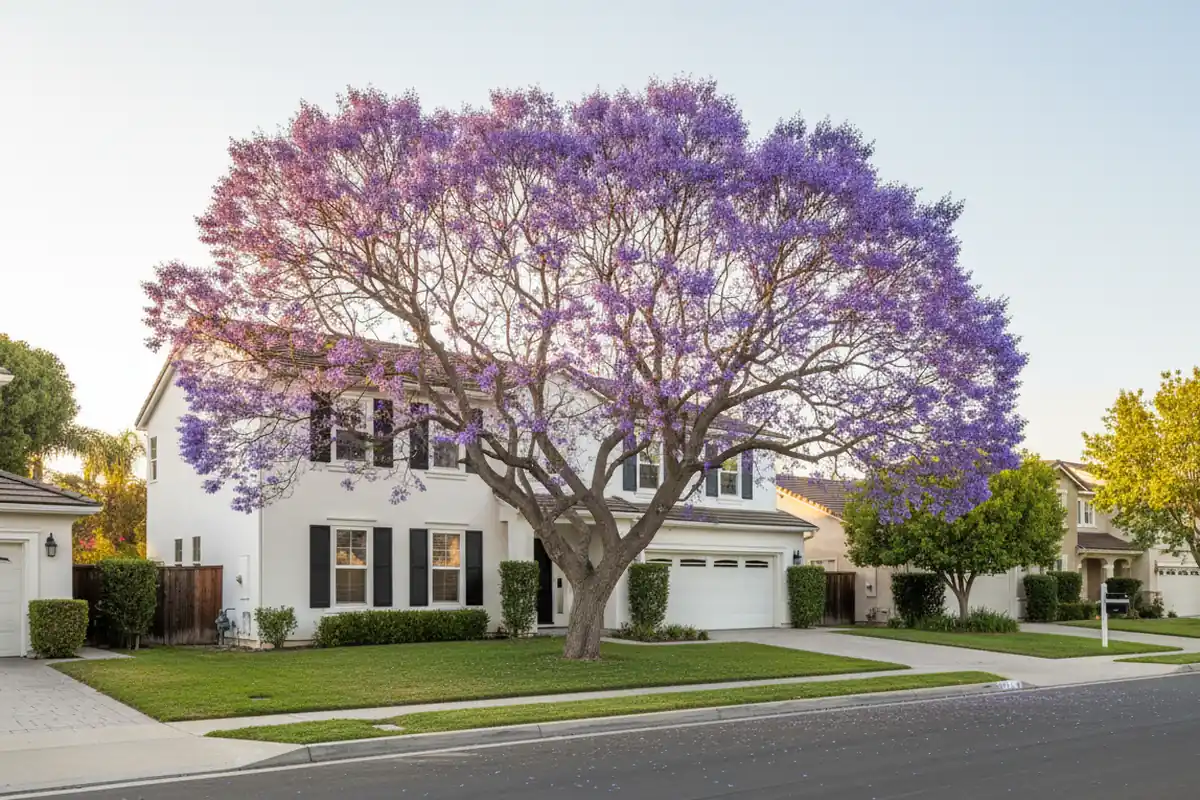
Your home is worth what a buyer would likely pay for it in an open sale today, and no website number settles that. An online estimate gives a starting range, an agent's market analysis helps set a list price, and a formal appraisal gives a signed opinion lenders and courts can use.
On this page
- Key Takeaways
- When a Formal Appraisal Fits
- How Home Value Is Determined: The Main Approaches
- What Affects Your Home's Value in San Diego County
- Comparing the Options: Online Estimates, CMAs, Appraisals and Assessed Value
- Assessed Value and Proposition 13: What the County's Number Means
- What to Have Ready
- Local Context: San Diego County Home Values
- Frequently asked questions
- Sources
Key Takeaways
Four different figures can answer the question "what is my house worth," and they are not interchangeable.
- Market value is what a buyer would likely pay for the property today in an open sale.
- Assessed value is the figure the San Diego County Assessor uses to calculate property tax. Proposition 13, the California rule that limits how assessed values rise, shapes it.
- An online estimate, called an automated valuation model or AVM, comes from tools such as Zillow's Zestimate or Redfin's Estimate. It relies on public records and an algorithm, not on anyone walking through the house.
- A formal appraisal is a written opinion of value prepared by a state-credentialed appraiser. Lenders and courts commonly require one.
Assessed value and market value are often different numbers, and they serve different purposes. One sets a tax bill. The other describes what the open market would bear.
When a Formal Appraisal Fits
A formal appraisal is the usual tool once a third party, such as a lender, a court, a tax agency or another heir, has to rely on the number. Common situations include:
- a purchase or sale where the buyer is using a loan
- a refinance
- a divorce, where the home is divided as community or separate property
- settling an estate or a probate case
- administering a trust
- a property tax appeal
- a gift or charitable contribution that needs documentation for the IRS
In these settings, lenders and courts typically look for a formal appraisal, not an online estimate. A comparative market analysis (CMA), which is a real estate agent's review of recent nearby sales, is not the same thing. It is generally not accepted in legal or lending contexts. For an owner who simply wants a sense of how much the property is worth before deciding anything, an estimate or a CMA may answer the question for now.
Valuation dates in estate, trust and divorce matters
Not every appraisal describes the home as of today. In an estate, probate or trust matter, the relevant date is often the date of death or another valuation date. In a divorce, the court values the community estate "as near as practicable to the time of trial," or, "for good cause shown," at "a date after separation and before trial." Because an online estimate and a CMA describe current conditions, they do not address a value tied to an earlier date. This is one reason these matters tend to call for a formal appraisal that states the date it values.
The detail of a lender-ordered report is explained under residential property appraisals. Estates follow their own valuation steps, described under estate and probate appraisals.
How Home Value Is Determined: The Main Approaches
Every serious value opinion rests on one or more of three recognized approaches.
Sales comparison. This approach looks at recent sales of similar homes, called comparables, in the same area. It then adjusts for differences in size, condition, location and features. For a typical single-family home or condominium, this is usually the center of the analysis.
Cost. This approach estimates what it would cost to replace the structure, subtracts depreciation for age and wear, and adds the value of the land. It carries more meaning for newer homes or unusual properties that have few true comparables.
Income. For a rental or investment property, value can be tied to the income the property produces.
Appraisers weigh these approaches according to the property type and the data available. A duplex in North Park and a custom hillside home in rural Ramona may be analyzed quite differently, even within the same county.
What Affects Your Home's Value in San Diego County
Two houses of the same size in San Diego County can sell for very different amounts. The reasons usually fall into three groups.
Location. Distance to the coast, schools, employment centers and transit all matter. A home in La Jolla or Encinitas draws on a different pool of buyers than one in El Cajon or Santee. Chula Vista and National City behave differently from Carlsbad and Oceanside. Communities such as Rancho Bernardo, Poway, Clairemont, Mission Valley and Escondido each have their own patterns.
The property itself. Square footage, lot size, bedroom and bathroom count, age, condition and upgrades all shape value. So does any unpermitted work, which a buyer, a lender or an appraiser may treat differently from permitted space.
Market conditions. The supply of comparable homes, buyer demand and the interest rate environment at the time of the valuation all shape the result. That is why a figure from last year may not describe the home today.
Comparing the Options: Online Estimates, CMAs, Appraisals and Assessed Value
A search for "what is my home worth by address" or by zip code usually leads to an online calculator first. Each common source tells you something different, and none is the answer for every owner.
| Source | Who or what produces it | Inspection | Cost and timing | Typical use |
|---|---|---|---|---|
| Online estimate (AVM) | An algorithm using sales data, tax records and listing history | None | Free, instant | A starting point; not accepted by lenders or courts |
| Comparative market analysis | A real estate agent, drawing on recent sales and local knowledge | Varies | Varies | Pricing a listing |
| Formal appraisal | A state-credentialed appraiser, as a written, signed opinion of value | Yes, scheduled | Involves a fee | Lending, courts, estates, tax matters |
| Assessed value | The San Diego County Assessor | None | Public | Calculating property tax; reflects the Proposition 13 base, not current market value |
An AVM's accuracy varies with how much sales data a neighborhood has. Areas with frequent, similar sales tend to produce closer figures. Unique homes and areas with few sales tend to produce wider gaps. A CMA reflects an agent's market knowledge, but it is not a formal opinion of value.
In California, the Bureau of Real Estate Appraisers (BREA) is the state body that credentials appraisers. Some lenders, following guidelines such as Fannie Mae's, may accept an automated valuation or waive the appraisal for certain lower-risk loans. That is the lender's decision for a particular loan, not a general rule. The broader picture of local appraisal work is described under San Diego property appraisals.
Through San Diego Home Appraisal & Valuation, a reader can request an appraisal quote through its form. This site does not set a property's value, give legal or tax advice, or buy or list property. A tax question goes to the Assessor or a tax professional, and a legal question goes to an attorney.
Assessed Value and Proposition 13: What the County's Number Means
The value printed on your property tax bill is the San Diego County Assessor's assessed value. It is used to calculate property tax, and it is not a measure of what the home would sell for.
Under Proposition 13, assessed value is generally based on the purchase price. Annual increases after that are limited no matter how much the market rises. As a result, a home held for many years may carry an assessed value far below its current market value. A reassessment typically follows a change in ownership or new construction. Exclusions and exceptions exist, and whether one applies depends on the facts of the transfer.
The San Diego County Assessor's Office and the California State Board of Equalization publish the current rules, including the annual limit. For a question about a specific parcel's assessment, the Assessor's Office is the office that answers it.
What to Have Ready
These details tend to make any home value review or appraisal request smoother:
- Address and assessor's parcel number (APN). The APN appears on the property tax bill.
- A recent property tax bill.
- Permits for additions, remodels or new construction.
- Basic facts about the home: year built, square footage, bedroom and bathroom count, lot size, and any known condition issues.
- For an estate, probate or trust matter: the date of death or other valuation date, and any existing title documents.
- For a divorce: the valuation date the court has set.
Local Context: San Diego County Home Values
San Diego County includes single-family homes, condominiums, townhomes, multi-unit buildings and rural parcels. Each type draws on its own pool of comparable sales. Coastal communities such as La Jolla, Del Mar, Coronado, Encinitas, Carlsbad and Oceanside tend to respond to different value drivers than inland communities such as El Cajon, Santee, Escondido, Poway and Ramona. The South Bay, including Chula Vista, National City and San Ysidro, forms another distinct market. Mountain and desert areas of the county add still more variety.
For assessed value and property tax information, the authoritative sources are the San Diego County Assessor's Office and the California State Board of Equalization. A practical next step is often simply finding the APN on last year's tax bill and noting which date your sale, refinance, divorce or estate actually asks you to value.
Take the next step
Ready to take the next step with your property?
Answer a few questions and receive a reviewed market value estimate for your property.
How it works
- The propertyIts address, type, size, bedrooms and bathrooms.
- Its conditionFrom recently updated to needing significant work.
- Your reasonCurious, selling, refinancing or planning an estate.
Take the next step
How we work
- Every request is reviewed by a person. Nothing on this site calculates a value automatically.
- Appraisals are prepared by independent, state-licensed or certified appraisers, never by this website.
- Estimates and cash offers are clearly labeled — never presented as appraisals.
- A request does not commit you to anything.
Frequently asked questions
What is the difference between market value and assessed value?
Market value is what a buyer would likely pay in an open sale today. Assessed value is the San Diego County Assessor's figure for calculating property tax. Because Proposition 13 shapes it, assessed value is often lower than market value for a home held for years. The two numbers serve different purposes.
How accurate are online home value estimates like Zillow or Redfin?
Their accuracy varies. These tools apply algorithms to public records without inspecting the home. Areas with frequent, similar sales tend to produce closer figures. Unique properties and areas with few sales tend to produce wider gaps. An online estimate is a starting point, not a formal opinion of value.
When do I need a formal appraisal instead of an online estimate?
A formal appraisal is usually needed when a lender, a court or a tax agency will rely on the figure. That includes most loans, refinances, divorces, estates, probate, trusts, property tax appeals and IRS-documented gifts or donations. Lenders and courts generally do not accept an online estimate or a CMA in its place.
What is a comparative market analysis (CMA) and is it the same as an appraisal?
No, a CMA is not an appraisal. It is a real estate agent's review of recent comparable sales, often used to set a listing price. It is not signed by a state-credentialed appraiser, and lenders and courts generally do not accept it.
How does Proposition 13 affect my home's assessed value in San Diego County?
It ties assessed value generally to the purchase price and limits annual increases after that. A long-held home can therefore carry an assessed value well below its market value. Reassessment typically follows a change in ownership or new construction. The Assessor and the Board of Equalization publish the current limit.
What factors affect how much my home is worth in San Diego County?
Location matters most visibly, along with size, condition, layout, lot, permitted improvements and current market conditions. A coastal Carlsbad home, an inland Santee home and a South Bay Chula Vista home sit in different submarkets, so comparable sales differ from one community to the next.
Can I find out what my home is worth by address or zip code online?
Yes, tools such as Zillow and Redfin return an automated estimate by address or zip code. They do not inspect the property, and their figures vary in accuracy. When a defensible opinion of value is needed, a formal appraisal by a state-credentialed appraiser is the usual tool.
What is the California Bureau of Real Estate Appraisers (BREA)?
BREA is the California state agency that credentials real estate appraisers.
How do I find my property's assessed value in San Diego County?
The assessed value is printed on the annual property tax bill. The San Diego County Assessor's Office also keeps assessed value records for every parcel in the county, and those records can be searched by address or APN.