If an appraiser is coming to a San Diego County home soon, the visit is usually tied to something larger. It might be a buyer's loan on a sale in Chula Vista, a refinance in Escondido, a divorce where the house is the biggest shared asset, or an estate where an heir or executor needs a value for a parent's home in El Cajon. Each of these raises the same practical question: what in the house is worth fixing, finding or explaining before the appraiser knocks, and what is better left alone. This guide walks through that question section by section, with the purpose of the appraisal kept in view.
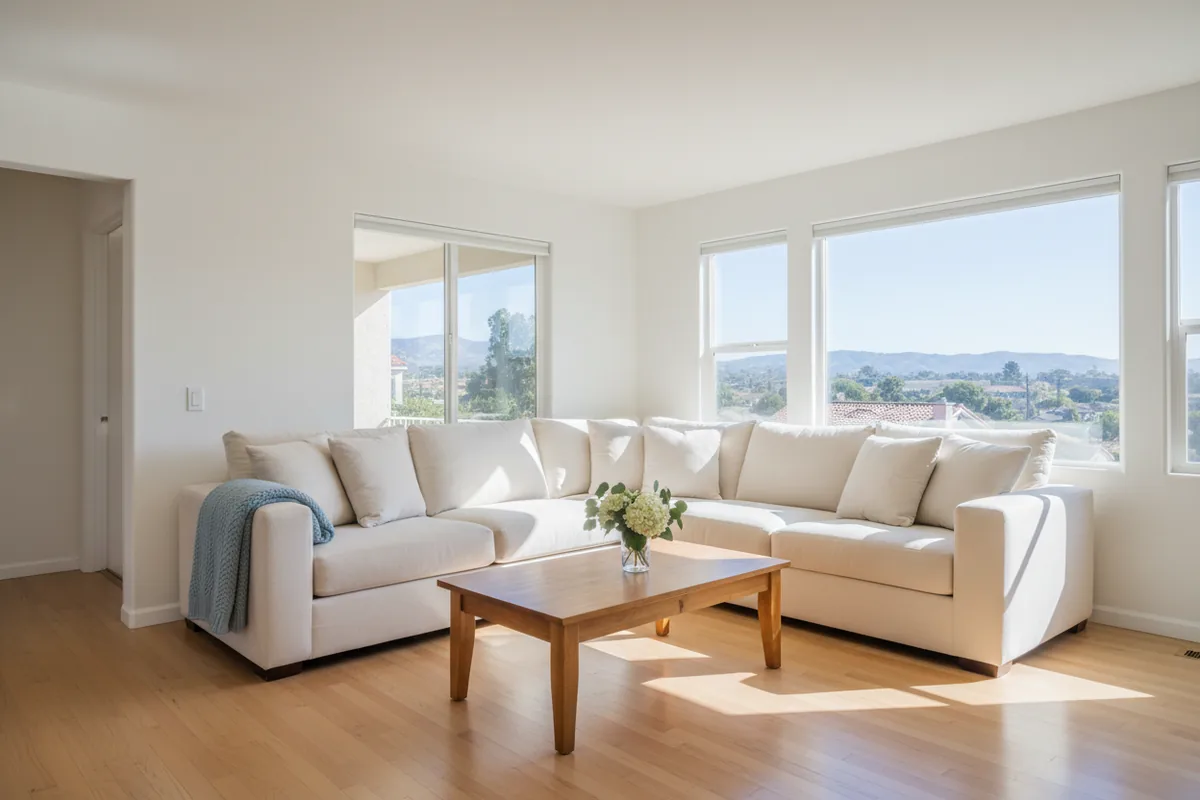
Preparing for a home appraisal mostly means making the home easy to see and easy to understand. That involves clearing access to every room, the attic and the crawl space, dealing with visible maintenance, and gathering a factual record of improvements, permits and dates. The appraiser forms an independent opinion of market value. The owner supplies facts, not a target number.
On this page
What It Means for Owners
A residential appraisal is an appraiser's independent written opinion of a property's market value. Market value means, in plain terms, what the home would likely bring in a sale on the open market. The appraiser visits the property, measures it, looks at its condition, and compares it to recent sales of similar homes in the same part of San Diego County.
An appraisal is not the same as three other numbers an owner may already have seen:
- An automated home value estimate. An online tool produces this figure from data and algorithms, with no one walking through the house.
- A comparative market analysis (CMA). A real estate agent prepares a CMA to suggest a listing or offer range. It is a market review, not an appraisal.
- Assessed value. The San Diego County Assessor sets this figure for property taxes under California's Proposition 13 framework. It serves a tax purpose and often differs from market value.
The situations that commonly call for an appraisal include a sale, a refinance, a home equity loan, a divorce, an estate or probate matter, trust administration, and a property tax appeal. The kind of report depends on the purpose. A single-family home appraisal for a loan is one example, and an owner can also order an independent home appraisal for their own planning. In every case, the owner's role in preparation is the same. The owner helps the appraiser see the property clearly. The owner does not set its value.
Who It Affects
Preparation looks a little different depending on who is standing in the doorway when the appraiser arrives.
Sellers usually meet the appraiser because a buyer's lender has ordered a report. The appraisal can affect how much the lender will lend against the agreed price.
Homeowners refinancing or taking a home equity loan face a lender's appraisal on their own loan. The lender relies on the value it reports.
Spouses or domestic partners in a divorce may need a value when the home is shared property and its worth is at issue. Two people with different hopes for the number may both be part of the visit.
Heirs, executors, trustees and administrators often need a value for San Diego County real property in an estate, probate or trust. That value is frequently set as of a past date, such as a date-of-death appraisal, so the house's condition today may not be what matters.
Owners considering a property tax appeal may want market-value evidence when they believe the assessed value is out of line with what the home would sell for.
The purpose of an appraisal can affect which standards and assignment instructions the appraiser follows. A lender's report, an estate report and a report for a court matter are not built for the same reader. That is one reason the purpose belongs at the front of any preparation.
What Appraisers Look For
The appraiser's checklist starts with the house itself and ends with the market around it.
Physical condition. This covers the interior and exterior, including walls, floors, windows, the roof and signs of foundation trouble. It also covers the main systems: heating and cooling, plumbing and electrical. The appraiser looks for whether things work and whether they show wear.
Size and layout. The appraiser considers square footage, the number of bedrooms and bathrooms, how the rooms flow, and lot size. A homeowner who owns a canyon-edge lot in Mission Hills or a flat parcel in Santee may find that lot shape and usable area get close attention.
Improvements and updates. Kitchens, bathrooms, additions and other work count. So does whether that work was permitted.
Comparable sales, often called comps. These are recent sales of similar homes in the same neighborhood or nearby areas. Comps are the backbone of the opinion. A home with few true matches, such as a custom house in Rancho Santa Fe, raises its own questions, which is the subject of an appraisal for unique homes.
Location. San Diego County's features matter: distance to the coast, schools, freeway access, and the character of the street and neighborhood, whether coastal La Jolla, inland Poway or the South Bay.
Condition issues. Deferred maintenance (repairs left undone over time), unpermitted additions and safety hazards can all weigh against value. No single factor always raises or lowers value by a set amount.
Cleanliness matters because it lets the appraiser see condition clearly, not because tidiness by itself carries a value.
Rules, Disclosures, and Fine Print
Appraiser independence sits at the center of the rules. An owner may hand the appraiser factual information, such as a list of improvements with dates, permit records, or recent nearby sales the owner knows about. An owner may not pressure the appraiser or try to steer the opinion of value. That line holds even when a sale price, a loan or a family settlement rides on the result.
In California, the Bureau of Real Estate Appraisers (BREA) oversees appraisers and publishes consumer information about appraisers and the appraisal process. The Consumer Financial Protection Bureau (CFPB) publishes consumer information on home appraisals. That information covers appraiser independence in mortgage lending and a borrower's access to a copy of an appraisal prepared for a mortgage application. An owner with a lender-ordered appraisal can look to those two agencies' own materials for the current rules. A real estate attorney can explain how those rules apply to a particular loan or dispute.
Unpermitted work is a recurring piece of fine print. An appraiser may treat an addition or converted space differently when it appears to have been built without a permit, and that can affect the value conclusion. How it is handled depends on the assignment and the facts.
Assessed value and market value are separate figures under California's Proposition 13 system. The San Diego County Assessor sets assessed value for property taxes. An appraisal gives an opinion of market value. The two figures serve different purposes and often differ, and a property tax bill is not a stand-in for either one. For a property-tax question, the Assessor's office is the place that explains assessed value.
Options and Trade-offs
The choices before an appraisal fall into a few groups, and each one has a cost in time, money or effort.
Documentation. A short packet often helps the visit more than any repair. It can include a list of improvements with approximate dates, permits that were pulled and finaled (finaled means the building department signed off on the completed work), HOA documents if the home is in an association, and any prior appraisals. This costs little and lets the appraiser credit work that is not obvious, such as a newer roof or replaced plumbing.
Visible maintenance. Peeling paint, broken fixtures, missing switch covers and damaged flooring can read as signs of wider neglect. Addressing them is a choice.
Which repairs to make. This decision belongs to the owner and depends on the purpose. A seller facing a buyer's lender appraisal may see it one way. An owner refinancing may see it another. An executor handling an estate may have no reason to repair at all. Over-improving is a real risk: spending more on work than the local market supports can mean the money does not come back.
Cleanliness and access. A clean, open home lets the appraiser inspect thoroughly. Clutter that blocks rooms, the attic or the crawl space is a practical obstacle.
Curb appeal. The exterior is part of what the appraiser observes, from the yard to the entry.
Fixed valuation dates. For an estate, probate or divorce appraisal, the value may be set as of a date of death or another valuation date. Changes made afterward may not be relevant, and the representative may not be in a position to make them.
Mistakes to Avoid
Trying to steer the appraiser is the error that causes the most trouble. Offering only favorable facts, arguing with what the appraiser observes, or suggesting a target number tends to undercut the owner's credibility. For a lender appraisal, it may also run into appraiser independence rules. In a divorce or an estate, it can invite a challenge from the other side.
Staying silent about known defects or unpermitted work. An appraiser who finds an issue the owner left out may note it anyway. In a sale, California's seller disclosure duties are a separate obligation that applies apart from the appraisal.
Treating the tax bill as proof of value. Assessed value under Proposition 13 measures something else. Presenting it as market value does not help.
Blocking access. Locked gates, a room used for storage that no one can enter, or a dog that keeps the appraiser out of the yard can delay or complicate the inspection.
Assuming an old appraisal still controls. Markets across San Diego County, from Oceanside to Otay Ranch, change over time. A report from another date reflects that date's market. A retrospective home appraisal exists precisely because a value is tied to a date.
Leaning on an automated estimate. Online tools run on algorithms without a physical inspection, so their figures can differ considerably from an appraiser's conclusion.
Saying the wrong things. Stating the price an owner needs or expects, or sharing only the facts that point upward while keeping relevant negatives back, works against an owner who wants a credible report.
What to Do Next
Preparation begins with the purpose. A sale, a refinance, an estate, a divorce and a tax appeal each change which records are most useful and which professional handles the questions that come up along the way: a lender for a loan, an attorney for a divorce or probate matter, and the Assessor's office for assessed value.
Permit history is the record that most often matters. The San Diego County Department of Planning and Development Services keeps permit records for unincorporated areas, and each city's building department keeps its own for homes inside city limits, such as San Diego, Carlsbad or La Mesa. Checking those records shows whether a remodel or addition was permitted and finaled before the appraiser sees it.
For an estate or probate appraisal, the valuation date comes from the matter itself, through the attorney handling it or the court overseeing it. Confirming that date comes before any thought of cleaning or repairs. For many owners, the practical next step is the permit history for the property, along with a short written list of improvements and their dates, ready to hand over at the visit.
Take the next step
Ready to take the next step with your property?
Tell us about the property and why you need an appraisal, so an independent appraiser can confirm the right scope of work.
How it works
- The propertyIts address and its type.
- The purposeA sale, an estate or probate, a divorce, a trust, tax or a legal matter.
- Your timelineWhen the appraisal is needed.
Take the next step
How we work
- Every request is reviewed by a person. Nothing on this site calculates a value automatically.
- Appraisals are prepared by independent, state-licensed or certified appraisers, never by this website.
- Estimates and cash offers are clearly labeled — never presented as appraisals.
- A request does not commit you to anything.
Frequently asked questions
What do appraisers look for during an appraisal?
Appraisers look at the home's physical condition, including its roof, foundation and major systems. They also consider its size, layout, bedrooms and bathrooms, lot, and improvements, and its location within San Diego County. They then compare it with recent sales of similar homes nearby to reach an opinion of market value.
Should you clean your house before an appraiser comes?
Cleaning helps for practical reasons. A clean, uncluttered home lets the appraiser reach every room, the attic and the crawl space, and see the home's true condition. Cleaning does not carry a value of its own, and no result is assured from it alone.
What negatively affects home appraisals?
Deferred maintenance, unpermitted additions, safety hazards, limited access during the visit and unfavorable location factors can all affect an appraiser's conclusion. How much any one of them matters depends on the property, the comparable sales and the purpose of the report.
What not to tell an appraiser?
An owner does not help the report by naming a price they need or expect, by sharing only favorable facts while holding back relevant negatives, or by pressing the appraiser's opinion. Appraiser independence protects the report's credibility. Factual information, such as improvements, dates and permits, is appropriate to share.
How does preparing for a refinance appraisal differ from preparing for a sale appraisal?
The physical preparation is largely the same. In a refinance, the owner's own lender orders the appraisal. The CFPB publishes consumer information on appraiser independence in mortgage lending and on a borrower's access to a copy of the appraisal.
How is a home appraisal different from an assessed value?
An appraisal is an appraiser's independent opinion of market value. Assessed value is set by the San Diego County Assessor under California's Proposition 13 framework for property tax purposes. The two serve different purposes and are often different amounts.
Can an owner provide information to the appraiser?
Yes. An owner can share factual information such as a list of improvements, permit records, dates of work, HOA documents and recent nearby sales they know about. What crosses the line is suggesting a target value or offering only favorable information.
What happens if unpermitted work is discovered during an appraisal?
An appraiser who sees work that appears unpermitted may note it in the report and may treat that space differently in the valuation. Permit records can be checked beforehand with the San Diego County Department of Planning and Development Services or the city building department for the property.