This page is for a San Diego County owner whose home is under contract with a buyer using an FHA loan, or for the buyer, waiting for the appraiser's visit and unsure what the report will say. The appraisal is often the step where a sale in Chula Vista, El Cajon or North Park either moves ahead or stalls. A report can come back clean, come back "subject to" repairs, or come back at a value below the contract price. This guide walks through how an FHA appraisal fits into the sale, and how it differs from the independent appraisals and home value reviews an owner might use before a sale, a refinance or an estate matter.
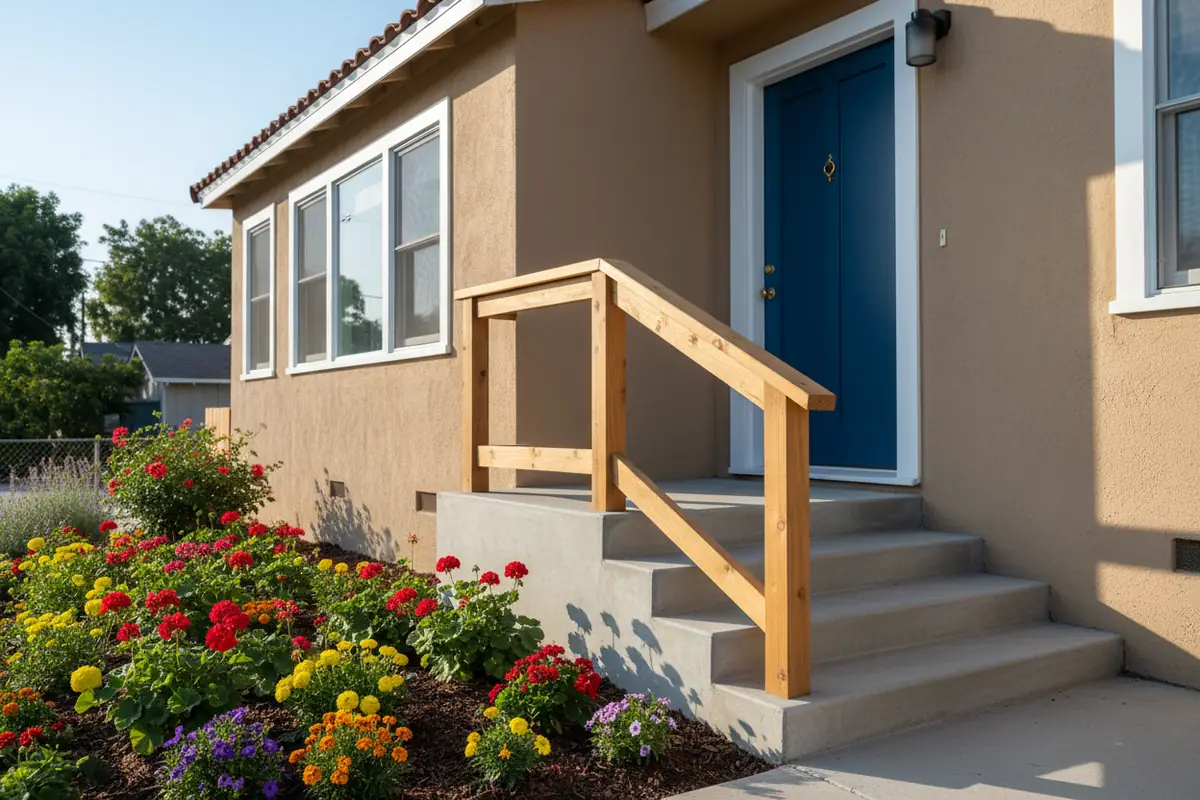
In an FHA appraisal, the buyer's lender orders the appraisal and chooses the appraiser. The appraiser visits the home, looks at it inside and out, compares it with recent nearby sales, and reports two things: an opinion of market value and whether the property meets FHA's property standards. The lender then uses that report to decide whether the FHA-insured loan can close, and on what conditions.
On this page
- What an FHA Appraisal Is and How It Differs from a Standard Appraisal
- Who the FHA Appraisal Affects — Sellers, Buyers, and Owners
- How the FHA Appraisal Process Works, Step by Step
- What the FHA Appraiser Checks and What Can Lead to Conditions
- Rules, Disclosures and Fine Print
- Options and Trade-offs When an FHA Appraisal Creates a Problem
- Common Mistakes
- Where Things Stand After the Report
- Frequently asked questions
- Sources
What an FHA Appraisal Is and How It Differs from a Standard Appraisal
An FHA appraisal is an appraisal done for a loan insured by the Federal Housing Administration (FHA), which is part of the U.S. Department of Housing and Urban Development (HUD). The lender orders it, not the buyer or the seller, and the lender chooses an appraiser from HUD's FHA appraiser roster.
The appraisal has two jobs. Like any appraisal, it gives an opinion of the home's market value. It also checks whether the property meets FHA's property standards, which HUD publishes in its Single Family Housing Policy Handbook 4000.1. A conventional appraisal for a loan that FHA does not insure focuses on value alone.
A home inspection is a different service. The buyer usually hires the inspector, and the inspection looks at condition in more detail. An FHA appraisal measures the property against FHA's standards and the lender's needs; it is not a full review of every system in the house, so it does not take the place of an inspection.
In San Diego County, this matters because an FHA report carries condition findings that a value-only appraisal does not. A broader look at value-only work for owners appears in the guide to residential property appraisals.
Who the FHA Appraisal Affects — Sellers, Buyers, and Owners
For the seller, it is the house itself that is being judged. If the appraiser finds that the property falls short of FHA's standards, the loan generally cannot close on FHA terms until those items are dealt with as the lender requires. For the buyer, that means FHA financing rests on the property as well as on the buyer's own credit and income.
The report belongs to the lender. It is an underwriting document, prepared for the lender's decision. For credit secured by a first lien on a dwelling, the lender "shall provide an applicant a copy of all appraisals and other written valuations developed in connection with an application for credit." Sellers usually hear about the findings secondhand, through the buyer, the real estate agents or the lender's conditions.
HUD also publishes FHA loan limits by county each year. The limit for San Diego County is the figure HUD posts for the current year, and whether a particular loan fits under it is a question for the lender.
An owner in La Mesa or Oceanside who is not selling to an FHA buyer is not touched by this process at all. That owner's appraisal question usually concerns a refinance, a divorce, an estate or a property tax matter.
How the FHA Appraisal Process Works, Step by Step
The process follows the loan, not the listing. The usual order looks like this:
- The lender orders the appraisal. This normally happens after the purchase contract is signed and the buyer has applied for the FHA loan.
- The lender picks the appraiser. The appraiser comes from HUD's FHA roster; the buyer and seller do not choose who comes.
- The appraiser visits. The visit covers the interior and exterior of the home, with notes and photographs.
- The appraiser writes the report. The report states an opinion of value based on comparable sales, along with any property-standard items the appraiser finds.
- The lender reviews the report. The lender uses it in underwriting and issues any conditions the findings call for.
- Repairs are completed and checked. If repairs are required, they are generally completed and checked again before the loan closes, in the way the lender specifies.
There is no fixed timeline. It depends on appraiser availability, the property's complexity and how quickly repairs move. A busy market like San Diego can affect scheduling, and the lender is the one who can say where a given order stands.
What the FHA Appraiser Checks and What Can Lead to Conditions
FHA's property standards are set out in HUD Handbook 4000.1, and the appraiser applies them to the house in front of them. Their broad aim is a home that is safe, sound and secure enough to serve as collateral for an insured loan. Exactly which items fall short, and how each is handled, comes down to the handbook and the lender's reading of the report.
When the appraiser finds an item that does not meet the standards, the report may be made "subject to" a repair. In plain terms, the value assumes the item will be fixed, and the loan is conditioned on that fix. After the work is done, the lender typically arranges a follow-up check or report update to confirm it.
Local housing stock shapes what tends to come up. Older homes, like the many early twentieth-century houses in Golden Hill and City Heights, can draw closer attention to paint and building condition. Hillside lots elsewhere in the county can raise drainage or foundation questions. Neither area decides the outcome; the findings depend on the actual house. California purchase contracts and lenders may also call for a separate wood-destroying pest inspection. That inspection is apart from the appraisal, and the agent or lender can say whether one applies.
A repair condition is different from a low value. A condition is about the house. A low value is about the price, which the next sections address.
Rules, Disclosures and Fine Print
Lenders often need an appraisal, but not always. For banks the Office of the Comptroller of the Currency (OCC) oversees, 12 C.F.R. § 34.43 says an appraisal by a state-credentialed appraiser "is required for all real estate-related financial transactions except those in which" any of fourteen listed conditions applies. Those conditions include a residential transaction with a "transaction value of $400,000 or less" and a transaction that is wholly or partially insured or backed by a United States government agency or United States government sponsored agency.
That federal rule does not set FHA's own appraisal requirements. Those come from HUD's handbook, including the roster requirement and the property standards, which HUD sets rather than the buyer, the seller or a real estate agent. The same regulation states that, for certain exempt transactions, "the institution shall obtain an appropriate evaluation of real property collateral that is consistent with safe and sound banking practices."
How long an FHA appraisal stays usable
An FHA appraisal does not remain usable forever. HUD's handbook sets how long a report can be relied on, when it can be updated, and when it can be used for a later buyer. The lender applies those periods and conditions and can explain how they fit a particular file. This matters when a closing is delayed or a first buyer drops out, because the age of the report can affect whether it still serves the loan. Which rules govern a given loan depends on the lender, the loan program and the facts of the transaction.
Options and Trade-offs When an FHA Appraisal Creates a Problem
The paths below are outcomes buyers and sellers commonly reach. None of them fits every sale, and the purchase contract shapes which ones are open.
When repairs are required. The seller can complete them before closing. The buyer and seller can also negotiate a price change or a credit, as far as the lender allows one. If neither side agrees, the sale may not go forward.
When the value comes in below the contract price. The lender's loan amount may be affected. The buyer can cover the difference in cash, or the seller can lower the price, or the parties can restructure the deal.
A reconsideration of value. Another path runs through the lender. A reconsideration of value is a request, made through the lender rather than directly to the appraiser, that the appraiser review specific data. The kinds of data that fit this request are factual errors in the report or comparable sales the appraiser missed. Because it is a request for review, not an appeal with a set outcome, a reconsideration does not promise a different result, and the lender is the one who can say how and when a given request will be handled.
A different kind of buyer. A seller whose property does not meet FHA standards can also look for a buyer using conventional financing, or one paying cash and taking the home as it is. That changes the pool of buyers. A direct cash offer is often lower than an open-market price, because that buyer takes on the repairs, the risk and the cost of reselling. In exchange, the seller deals with less preparation and fewer showings and does not depend on a buyer's loan. The seller's disclosure duties stay the same. Comparing written offers and estimated net proceeds is how a seller tells these paths apart. Net proceeds are the price less commissions, repairs, carrying costs, loan payoffs and closing costs.
Knowing the property's current market value helps an owner weigh repair costs against a price cut, and an appraiser can give that opinion. A reader can request an appraisal quote through San Diego Home Appraisal & Valuation's form, and background on what a home is worth covers the other value tools.
Common Mistakes
Relying on the appraisal to find every defect. Items outside FHA's standards may not appear in the report at all, which is why the inspection described above serves a separate role.
Repairing without checking the standard. A fix that would satisfy a conventional buyer may not clear an FHA condition. The lender's written condition is the measure.
Assuming every home qualifies. FHA financing depends on the property meeting HUD's standards, so a buyer's loan approval alone does not settle the question.
Confusing appraised value with assessed value. The San Diego County Assessor's value on the tax roll and an FHA appraised value are set by different methods for different purposes, and they often differ.
Assuming a report stays usable indefinitely. As covered in the validity section above, HUD's handbook governs how long a report can be relied on.
Overlooking the pest inspection. Where a contract or lender calls for a pest inspection, it runs separately from the appraisal and on its own schedule.
The difference between an estimate and an appraisal is explained more fully in the guide to home valuation.
Where Things Stand After the Report
When an FHA appraisal is pending or has come back with conditions or a low value, the key document is the lender's written condition list or the appraisal report itself. The lender or the buyer's agent is the usual source for what each item requires. HUD's Handbook 4000.1 is the published source for the property standards the condition list relies on.
Take the next step
Ready to take the next step with your property?
Tell us about the property and why you need an appraisal, so an independent appraiser can confirm the right scope of work.
How it works
- The propertyIts address and its type.
- The purposeA sale, an estate or probate, a divorce, a trust, tax or a legal matter.
- Your timelineWhen the appraisal is needed.
Take the next step
How we work
- Every request is reviewed by a person. Nothing on this site calculates a value automatically.
- Appraisals are prepared by independent, state-licensed or certified appraisers, never by this website.
- Estimates and cash offers are clearly labeled — never presented as appraisals.
- A request does not commit you to anything.
Frequently asked questions
Who orders the FHA appraisal — the buyer or the lender?
The lender orders it and selects the appraiser from HUD's FHA appraiser roster. The buyer and seller do not choose who comes. The report is the lender's document, prepared for the lender's underwriting decision. The lender can explain how the appraisal charge is handled in the buyer's closing costs.
How long does the FHA appraisal process take?
There is no fixed number of days. The timing depends on appraiser availability, how complex the property is and whether repairs and a follow-up check are needed. Scheduling can also be affected in a busy San Diego County market. The lender can say where a particular order stands.
What is the difference between an FHA appraisal and a home inspection?
An FHA appraisal gives an opinion of market value and checks the property against HUD's property standards for the loan. A home inspection is a separate, more detailed review of the home's condition that the buyer arranges.
What happens if the FHA appraisal comes in below the purchase price?
The lender's loan amount may be affected. The buyer can cover the gap in cash, or the seller can lower the price. The parties can also ask the lender for a reconsideration of value if there are factual errors or missed comparable sales. If the parties reach no agreement, the sale may not close.
What should a seller expect during an FHA appraisal?
The appraiser walks the interior and exterior, takes notes and photos, and looks at the home against FHA's property standards. The appraiser also compares the home with recent sales nearby. The seller generally learns the findings through the buyer, the agents or the lender's conditions rather than receiving the report.
Does every mortgage require an appraisal?
No. Under 12 C.F.R. § 34.43, an appraisal is required for real estate-related financial transactions except those in which one of its listed conditions applies. FHA's own appraisal requirements come from HUD's handbook. The lender can say which rules govern a particular loan.