Perhaps the walls are already open, a bedroom has been added, or plans and contractor bids are on the table. Now a refinance, a sale, an estate or a divorce needs a number for the house, and that number has to reflect the work, or the work still to come. The practical questions follow from there. Which value does the situation call for? What does an appraiser look at? How is a formal appraisal different from the other value figures already seen for the same San Diego County address?
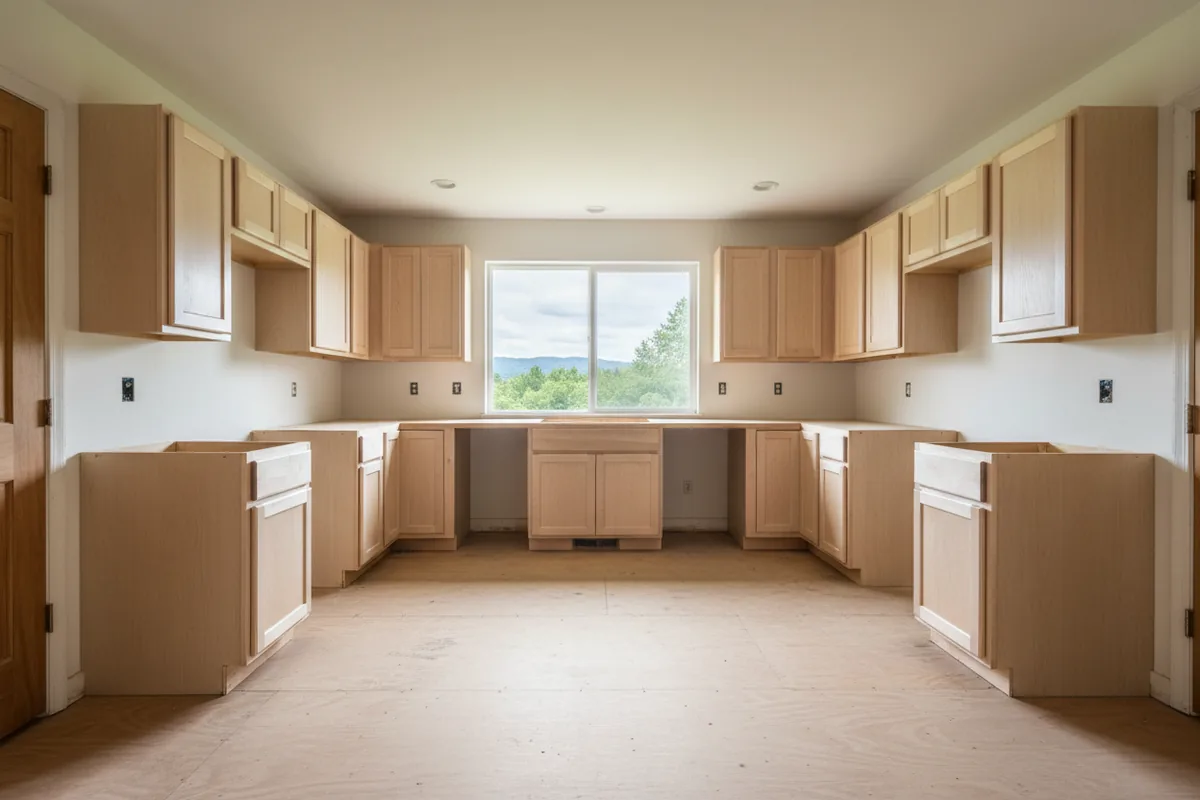
A renovation appraisal is a written opinion of a home's market value that accounts for improvements. The improvements can be planned or already finished. The report can state the home's value in its current condition (as-is), its projected value once the described work is complete (as-completed), or both. Which values it states depends on why the owner needs it.
On this page
Key Takeaways
An appraisal is a written opinion of a property's market value as of a specific date, prepared by a credentialed independent appraiser. It is not a home value estimate from an online tool. It is not a comparative market analysis from a real estate agent, and it is not the assessed value the county uses for property tax.
- Two possible values. A renovation appraisal can state an as-is value, an as-completed value, or both.
- The difference matters. A lender may look at one value or both, and so may a list price, an estate inventory or a divorce settlement.
- Improvements are judged against sales. The appraiser compares the finished or planned work with similar homes that have sold.
- Nothing is promised in advance. No appraisal assures that a renovation adds any particular amount of value.
For the broader picture of value terms, see the guide to what your home is worth.
When This Option Fits
Each of the situations below can call for a renovation appraisal. None of them always does.
Refinancing after a renovation. Lenders often require an appraisal, though not always. Under 12 C.F.R. § 34.43, an institution the rule covers generally needs an appraisal by a state-credentialed appraiser for real estate-related financial transactions, "except those in which" listed conditions apply. Those conditions include:
- residential transactions with a transaction value of $400,000 or less
- certain transactions involving an existing extension of credit at the same institution
- transactions that qualify for sale to a United States government agency or government-sponsored agency
For several of these exceptions, the regulation instead requires the institution to obtain an "appropriate evaluation" of the property. The lender and the loan type decide which rule applies to a particular refinance.
Renovation financing. Loans that fund the work itself, such as FHA 203(k) and Fannie Mae HomeStyle renovation loans, are a common setting in which owners first encounter an as-completed value, because the loan is tied to work that has not yet been done. Each program sets its own appraisal requirements, and the lender explains which values a given loan calls for.
Pricing a sale. An as-completed appraisal can inform a list price when work is planned or has just been finished.
Estate and probate. Under Cal. Prob. Code § 8900, "the appraisal of property in the inventory shall be made by the personal representative, probate referee," or another appraiser the chapter provides for. Separately, Cal. Evid. Code § 813 lets the owner, or the owner's spouse, give an opinion of a property's value. It also lets qualified witnesses give one. The guide to estate and probate appraisals covers that process.
Divorce. Under Cal. Fam. Code § 2552, the court "shall value the assets and liabilities as near as practicable to the time of trial." There is one alternative. On 30 days' notice by the moving party, the court may, for good cause shown, value assets at a date after separation and before trial.
Property tax. Under California law, renovation work that counts as new construction may lead to a reassessment. The San Diego County Assessor's office states how that rule currently applies.
How It Works, Step by Step
An appraiser does look at renovations. The appraiser considers the condition, quality and functional utility of the improvements. Functional utility means how well the layout and features serve the way people use a home. The appraiser then compares the property with similar homes that have sold. The scope of the work, the quality of the materials and how well the work fits the neighborhood all enter the analysis.
- The request. The owner, or someone acting for the owner, asks for an appraisal. The request describes the home's current condition and the planned or completed improvements.
- Scope review. The appraiser reviews what is being valued. That can include plans, permits, contractor bids or documents showing the work is complete.
- Inspection and research. The appraiser inspects the property. For an as-completed value, the appraiser also reviews the plans. The appraiser then researches comparable sales in the area.
- The report. The appraiser prepares a written report. It states the as-is value, the as-completed value, or both, depending on the assignment.
San Diego Home Appraisal & Valuation does not appraise, inspect or value property. The report comes from an independent appraiser.
Costs, Timing and Trade-offs
An appraisal fee reflects the scope of the assignment. Several things shape it:
- the size and complexity of the property
- where it sits in San Diego County
- whether the assignment calls for an as-is value, an as-completed value or both
A home in Poway with a straightforward kitchen remodel is a different assignment from a hillside home in La Jolla with a second-story addition. That difference is in scope; it says nothing about either home's value or fee.
Timing depends on the appraiser's schedule, how complex the renovation scope is, and whether permits and plans are easy to produce.
The main trade-off lies in the as-completed value. That value rests on plans and on assumptions about the finished work. If the renovation departs from the described scope, the value of the home once the work is done may differ from the as-completed figure. Materials can change, a room can be dropped, or the work can be finished differently than planned. An as-is value avoids that uncertainty, but it does not reflect work that has not yet been done.
Options to Compare
Each tool below answers a different question. None of them is the right answer for every owner.
| Tool | Who prepares it | What it reflects | Where it is used |
|---|---|---|---|
| As-is appraisal | Independent appraiser | Value in current condition on the appraisal date | Lending, estates, divorce, pricing |
| As-completed appraisal | Independent appraiser | Projected value assuming the described work is finished | Renovation financing, pricing planned work |
| Home value estimate (automated) | Software model | General figure from records and sales data | Early orientation |
| Comparative market analysis | Real estate agent | Pricing context from recent local sales | Listing discussions |
| Assessed value | County Assessor | Value for property tax purposes | Tax bill |
A home value estimate produced by an automated valuation model is not an appraisal. A reviewed local market estimate is a separate tool, described on the home value review by address page. It is also not an appraisal.
A comparative market analysis (CMA) is prepared by a real estate agent, not an appraiser. It gives useful pricing context, but it is not a formal appraisal.
Assessed value is set by the San Diego County Assessor for property tax purposes. It is not the same as market value. It is not updated after each renovation unless the work counts as new construction under California law.
The residential appraisals guide explains the formal report in more detail.
What to Have Ready
An appraiser can only value the work it can see and document. These records give the appraiser that picture:
- Scope of work. Contractor bids, plans or specifications describing the renovation.
- Permits. Building permits pulled for the work, and final inspection sign-offs if the work is complete.
- Before-and-after photos. Pictures from before the renovation, and from during or after it, where they exist.
- Prior appraisals. Any earlier appraisal reports for the property.
- Property records. The assessor's parcel number, the current tax bill, and any prior deed or title information.
- For an estate. The date of death and any inventory documents already prepared.
- For a divorce. The valuation date the court has identified under Cal. Fam. Code § 2552.
Local Context: San Diego County
San Diego County takes in coastal towns, inland valleys and hillside neighborhoods. How a renovation affects value can differ from one local market to the next.
- La Jolla and Encinitas. An appraiser researching coastal homes here compares the work against nearby coastal sales.
- Chula Vista. In this South Bay city, the comparable sales come from South Bay neighborhoods.
- Escondido and Poway. In these inland North County cities, the comparables come from inland neighborhoods.
A renovated home in Encinitas and one in Escondido are not measured against the same set of sales. A kitchen in Chula Vista is not judged by La Jolla comparables either. That local comparison is the core of how an appraiser treats improvements.
The San Diego County Assessor-Recorder-County Clerk keeps property records for homes throughout the county, from Poway to Chula Vista. That office also administers reassessment for new construction under California's Proposition 13 framework. Its office or its own pages state the current rule on whether a particular renovation counts.
Many owners begin by gathering the property's permit history and the Assessor's parcel record. With those two documents in hand, the scope of the work is easier to describe when requesting an appraisal quote.
Take the next step
Ready to take the next step with your property?
Tell us about the property and why you need an appraisal, so an independent appraiser can confirm the right scope of work.
How it works
- The propertyIts address and its type.
- The purposeA sale, an estate or probate, a divorce, a trust, tax or a legal matter.
- Your timelineWhen the appraisal is needed.
Take the next step
How we work
- Every request is reviewed by a person. Nothing on this site calculates a value automatically.
- Appraisals are prepared by independent, state-licensed or certified appraisers, never by this website.
- Estimates and cash offers are clearly labeled — never presented as appraisals.
- A request does not commit you to anything.
Frequently asked questions
What is a renovation appraisal?
A renovation appraisal is a formal written opinion of a home's market value that accounts for planned or completed improvements. It can state an as-is value, an as-completed value, or both, depending on what the assignment requires. It is not an estimate or a CMA.
Do appraisers look at renovations?
Yes. What counts is how the work compares with what buyers in the same local market have paid for. A remodel that matches nearby sold homes is read against those sales, while work that departs from what is typical for the neighborhood is weighed with that difference in mind. Permits, plans and photos help the appraiser document what was done.
What is the difference between an as-is and an as-completed appraisal?
The as-is value reflects the home in its current condition on the appraisal date. The as-completed value assumes the described renovation is finished according to the plans and specifications provided. A lender financing a renovation may ask for both values.
What does appraisal mean?
An appraisal means a written opinion of a property's market value at a specific date, prepared by an independent appraiser. An automated home value estimate, an agent's comparative market analysis and the county's assessed value are each something different.
What is the 30% rule for renovations?
It is a rule of thumb, sometimes repeated in real estate conversations, that ties renovation spending to a share of a home's value. It is not a California statute or an appraisal standard. An appraiser values the home from comparable sales, not from a fixed cost-to-value ratio.
How much does it cost to get a home appraised after a renovation?
The fee depends on the scope of the assignment. That includes the property's size and complexity, its location in San Diego County, and whether the report states an as-is value, an as-completed value or both. A quote for the specific property is the way to learn the fee.
Can a renovation appraisal be used for a refinance?
Often, yes. A lender often requires an appraisal for a refinance, subject to the exceptions in 12 C.F.R. § 34.43 described earlier on this page. Whether a particular refinance needs one depends on the lender, the loan type and the transaction.
Does a renovation trigger a property tax reassessment in San Diego County?
It may. Work that counts as new construction under California's Proposition 13 framework can lead to a reassessment. The San Diego County Assessor-Recorder-County Clerk administers that rule and states the current standard.
Is a renovation appraisal required for probate or an estate?
Not necessarily. Inventory appraisals are made by the personal representative, the probate referee or another appraiser the chapter allows, as described above. Whether a renovation appraisal is needed depends on the property's condition and the estate's circumstances. An attorney can address that question.
How does a renovation appraisal work in a divorce?
It states the home's market value at the date the court uses, accounting for the improvements. That date is generally near the time of trial, unless the court sets another date under Cal. Fam. Code § 2552. An attorney can say which date applies.