Skip to content
San DiegoHome Appraisal & Valuation

California

Home Equity Value Review

Updated November 17, 2026

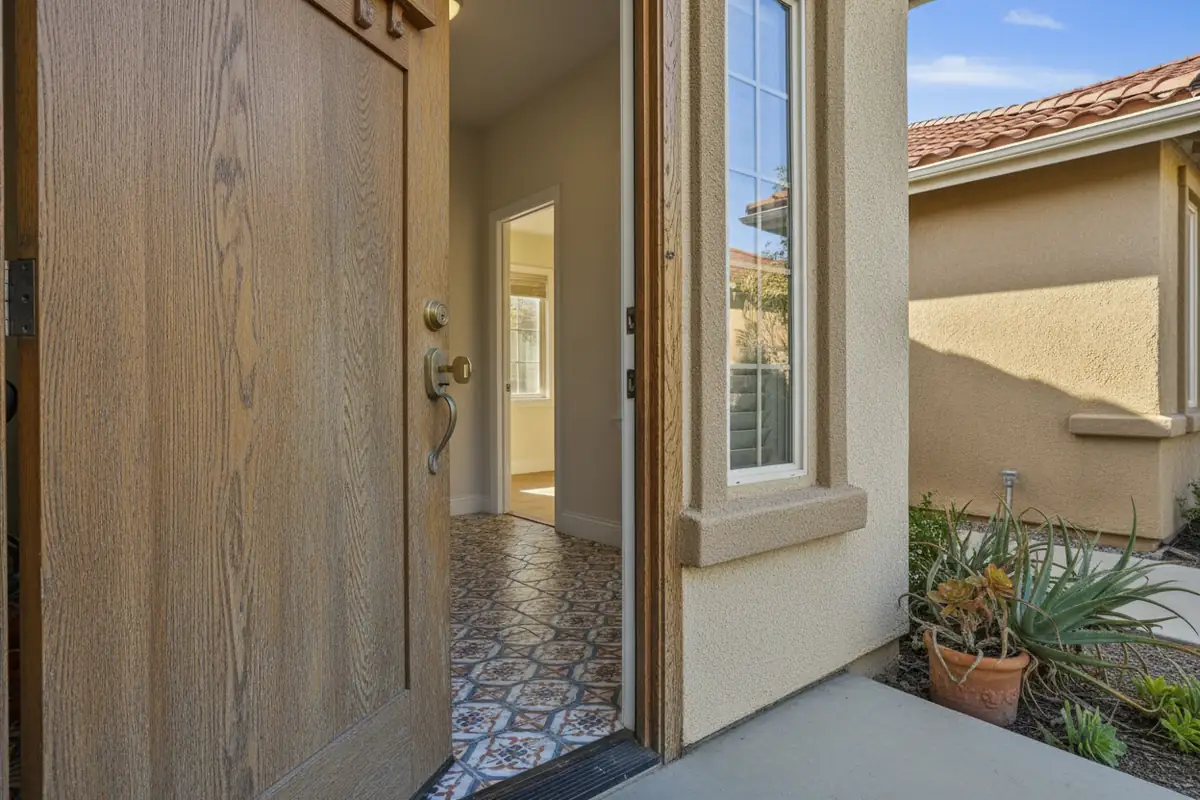
A key turned in a half-open oak door, the share of home an owner holds.
Immediate answer

A home equity value review is a person's reviewed estimate of what your San Diego County home would sell for, based on recent nearby comparable sales, with your mortgage balances subtracted to show your equity. It is a local market review or comparative market analysis, not an appraisal and not an instant online estimate.

On this page
  1. Key Takeaways
  2. When This Option Fits
  3. How It Works, Step by Step
  4. Costs, Timing and Trade-offs
  5. Options to Compare
  6. What to Have Ready
  7. Local Context: San Diego County Home Values and Equity
  8. Frequently asked questions

You own a home in San Diego County, or you are responsible for one as an heir, an executor, a trustee or a spouse, and a decision now depends on what the house is worth and how much of that worth is yours after the loans. It may be a refinance you are considering, a sale you are thinking through, a divorce settlement, an estate that has to be sorted out, or a property tax bill that no longer seems to match the market. Each of those situations asks a slightly different question about value, and the right kind of value picture depends on who is going to rely on it.

This page explains what a market-based equity review involves, how it differs from a formal appraisal, an automated online estimate and the Assessor's assessed value, and what information makes the review meaningful.

Key Takeaways

  • What it is. A home equity value review is a reviewed estimate of market value. Market value here means the price the home would likely bring in an ordinary sale. It is a local market review or a comparative market analysis (CMA). A CMA is a comparison of the home against recent sales of similar homes nearby.
  • How equity is found. Equity is the home's current market value minus every outstanding mortgage balance secured by it, including a second mortgage or a home equity line of credit.
  • Who does the work. A CMA draws on recent comparable sales in the same San Diego County neighborhood or submarket. A person reviews that local data. It is not generated automatically.
  • What it is not. It is not an appraisal. An appraisal is a formal opinion of value prepared by an appraiser under the Uniform Standards of Professional Appraisal Practice (USPAP), the national standards appraisers follow. The two are different products with different uses, and neither one is better for every purpose.
  • What it produces. A planning reference: a reviewed value estimate and the equity that follows from it, based on the balances the owner supplies.

When This Option Fits

A market-based review fits when the person relying on the number is the owner, or the owner's family, making a planning decision.

Refinance, sale or hold. An owner deciding whether to refinance, sell or stay put often wants a current picture of equity first. The review gives a starting point for that comparison. It does not replace anything a lender later orders.

Estate, probate or trust matters. An executor or trustee may want a preliminary value picture before ordering a formal appraisal. That can help when there are several properties or a family is deciding what to keep. The formal valuation an estate needs is a separate step, described in the guide to estate and probate appraisals.

Divorce or separation. One spouse or co-owner may want to understand approximate equity before formal proceedings begin. If the value or the division is contested, the matter belongs with an attorney.

A property tax question. An owner who doubts that the San Diego County Assessor's assessed value reflects current conditions may want a market review as a reference. A formal appeal runs through the county's own process.

When it does not fit. A home equity value review does not substitute for a USPAP-compliant appraisal when a lender, a probate court or a tax authority requires a formal appraisal. In those settings, the review can help with early planning, and the required appraisal is still ordered.

How It Works, Step by Step

The sequence below runs from the owner's first details to the equity figure.

  1. The owner identifies the property. The owner supplies the address, approximate square footage, known condition issues and recent improvements. Those details shape everything that follows, because a home's condition and features are what separate it from its neighbors.
  1. Comparable sales are reviewed. The reviewer looks at recent sales in the same San Diego County area. These are called "comps," which is short for comparable properties. Good comps resemble the home in size, age, condition and location. A three-bedroom house in Santee is compared with other Santee homes like it, not with a coastal home in Encinitas.
  1. Adjustments are made. No comp matches the subject home exactly. The subject home is the house being reviewed. The reviewer adjusts for differences such as an extra bathroom, a larger lot or a dated kitchen, and arrives at a reviewed estimate of market value.
  1. Equity is calculated. The reviewed market value, minus the outstanding mortgage balance or balances the owner supplies, gives the equity figure.

The result is a reviewed market estimate. It is not an appraisal, and it does not carry the legal weight of one.

Costs, Timing and Trade-offs

A local market review has a different scope from a formal appraisal. That difference affects both what it costs and how long it takes, though no particular fee or turnaround applies to every request.

Scope. A formal appraisal follows USPAP. It involves the appraiser's own inspection, documentation and a written report built to be relied on by third parties. A market review involves less preparation. It aims at a reasonable planning estimate, not a document a lender or court will rely on.

Evidentiary weight. A home equity value review gives a useful current picture. It does not carry the evidentiary weight of a USPAP-compliant appraisal. If the number may later be tested by a lender, a court or the county, the review's limits matter.

Automated estimates. An automated valuation model (AVM) is the instant figure many real estate websites display. It is faster, but no person reviews the home's specific condition, its location quirks or the recent San Diego County sales most like it.

Lender-ordered appraisals. A lender, or an appraisal management company acting for a lender, orders an appraisal for its own loan decision. That appraisal serves a different purpose, and carries different requirements, than a market review a homeowner requests directly.

Options to Compare

There are four common ways an owner gets a picture of a home's value. Each answers a different question.

OptionWhat it isWhere it is usedIts limits
Home equity value review (local market review or CMA)A person's reviewed estimate based on recent San Diego County comparable salesPlanning a refinance, sale, settlement or estate stepNot an appraisal; not relied on where a formal appraisal is required
Formal appraisalAn opinion of value prepared by an appraiser under USPAPLenders, courts and some government agenciesNarrower purpose set by whoever orders it; more formal process
Automated valuation model (online estimate)An algorithmic figure from public records and listing dataA quick, rough referenceDoes not account for condition, interior features or local nuance a reviewer would catch
Assessed valueThe San Diego County Assessor's value for property tax purposes under Proposition 13Calculating the property tax billOften differs from current market value; not a substitute for a CMA or an appraisal

A formal appraisal's role in a home loan or sale is explained in the guide to residential property appraisals. No one option answers every question. The useful step is matching the tool to who will rely on the number.

What to Have Ready

A review is only as good as the details behind it. The following items are typically useful.

  • Property address and assessor's parcel number (APN). The APN is the county's identifying number for the parcel. It appears on the property tax bill and in the San Diego County Assessor's records.
  • Current mortgage statement. The statement shows the outstanding principal balance, which is the amount still owed on the loan.
  • Any other loan or lien balance. This includes a second mortgage, a home equity line of credit (HELOC) or any other lien. A lien is a recorded claim against the property for a debt.
  • Basic facts about the home. These include approximate square footage, the number of bedrooms and bathrooms, and the lot size.
  • Year built and major improvements. Additions, remodels or a new roof are most useful when listed with the approximate year each was completed.
  • Known condition issues. Roof wear, plumbing trouble or deferred maintenance all affect value.
  • Nearby sales the owner knows of. Recent comparable sales in the same neighborhood are helpful, if the owner knows of any.

Local Context: San Diego County Home Values and Equity

San Diego County is not one housing market. It is several. Coastal communities such as Carlsbad, Encinitas and Oceanside, North County inland cities such as Escondido, Vista and Poway, East County cities such as El Cajon, La Mesa and Santee, and South Bay cities such as Chula Vista and National City each have their own pool of comparable sales. A meaningful equity review draws its comps from the same submarket as the home, not from countywide averages. A countywide figure can hide differences that matter a great deal to one house.

The San Diego County Assessor's Office administers property tax assessments under Proposition 13, found in Article XIII A of the California Constitution. Assessed value and market value are different figures that serve different purposes. Assessed value may be lower than, equal to or higher than current market value, depending partly on when the property last changed ownership or was newly built. The Assessor's office publishes the current figures for any parcel.

An owner who believes the assessed value is higher than current market value may file an assessment appeal with the San Diego County Assessment Appeals Board. That process is separate from a home equity value review and has its own deadlines and procedures. The Assessor's office or an attorney can explain how an appeal works. More on appraisal in this county is in the guide to San Diego property appraisals.

A practical starting point is the property tax bill or the Assessor's records, which show the parcel's APN. The other starting point is the most recent mortgage statement, which shows what is still owed.

Take the next step

Ready to take the next step with your property?

Answer a few questions and receive a reviewed market value estimate for your property.

How it works

  1. The propertyIts address, type, size, bedrooms and bathrooms.
  2. Its conditionFrom recently updated to needing significant work.
  3. Your reasonCurious, selling, refinancing or planning an estate.

How we work

  • Every request is reviewed by a person. Nothing on this site calculates a value automatically.
  • Appraisals are prepared by independent, state-licensed or certified appraisers, never by this website.
  • Estimates and cash offers are clearly labeled — never presented as appraisals.
  • A request does not commit you to anything.

Frequently asked questions

How much equity do I have in my home?

Your equity is the home's current market value minus the total of all outstanding mortgage balances secured by it. A home equity value review addresses the market value side. The balance side comes from your current mortgage statement and the statement for any second loan or HELOC.

What is the difference between a home value estimate and an appraisal?

A home value estimate, including a local market review or CMA, is a reviewed opinion based on comparable sales. A formal appraisal is prepared by an appraiser under USPAP and is the document lenders, courts and some government agencies often require. Each fits a different use, and neither is better for every purpose.

Is a home equity value review the same as an appraisal?

No. It is a reviewed market estimate, not a USPAP-compliant appraisal. It does not carry the evidentiary weight a lender, a probate court or a tax authority may require. When one of them asks for a formal appraisal, an appraisal is what is needed.

How is a home equity loan different from a home equity line of credit?

A home equity loan provides a lump sum. A HELOC provides a revolving line of credit the borrower draws on as needed. Both use the home as collateral. The lender sets its own valuation requirements, and a market review does not substitute for them. A lender can answer questions about specific loan products.

How does the San Diego County Assessor's assessed value differ from market value?

Assessed value is the figure used to calculate property taxes under Proposition 13 (California Constitution, Article XIII A). It is not the same as current market value. It can sit below, at or above market value depending partly on when the home last changed ownership or was newly built, as the Local Context section explains.

Can I use a home equity value review to appeal my property tax assessment?

It can give you a current market reference point, but an appeal before the San Diego County Assessment Appeals Board has its own process, deadlines and evidence requirements. A formal appraisal carries more weight in that process than a CMA. The Assessor's office or an attorney can explain the appeal process.

What is the difference between a home equity value review and an online automated estimate?

An automated estimate is generated by an algorithm from public records and listing data, and no person reviews the home's condition or interior. A home equity value review involves a person examining recent local comps in the home's own submarket and adjusting for the home's particular features.

Is it smart to take out a home equity loan right now?

That depends on your finances, the terms a lender offers and what the money is for. A lender and a financial adviser are the people positioned to answer that question. This page explains how to understand the equity a home holds, not whether to borrow against it.