If you have a pool in the backyard and a sale, a refinance, a divorce settlement, an estate or a property tax question ahead, you may be holding two numbers in mind: what the pool cost and what the house might bring. The gap between them can be confusing. This is especially true when an executor or trustee has to report a value, or when two spouses see the same backyard very differently. This guide explains how a pool is treated in a residential appraisal, where its share of value comes from, and the fine print that tends to surface before a sale or an appraisal.
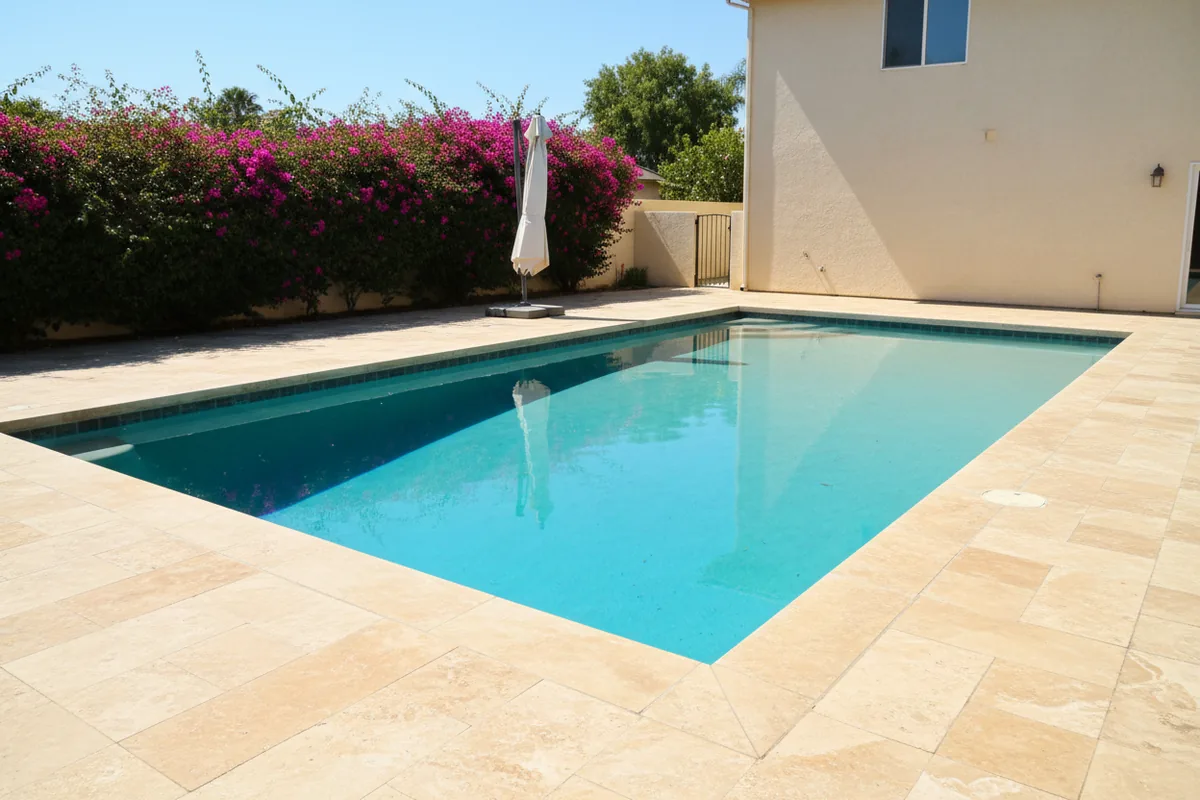
A pool adds to a San Diego County home's market value only as far as buyers in that neighborhood and price range actually pay more for one. An appraiser measures this by comparing recent sales of similar homes with and without pools. What the pool cost to build does not set what it adds. In some markets it adds a great deal, and in others very little.
On this page
What It Means for Owners
Contributory value is the term at the center of this question. It means the amount a feature, such as a pool, adds to a home's market value. It is a market figure, not a building figure.
A pool can cost a large sum to build and add a smaller amount to the sale price. In a market where buyers strongly want pools, it can add a meaningful amount. The same logic applies to other projects, as the page on home value after renovation describes for remodels generally.
How the comparison works
The method appraisers use is often called paired-sales analysis. In plain terms, the appraiser looks for recent sales of homes in the same neighborhood and price range that are alike in most ways, where the pool is the main difference. If those homes sold for different prices, the gap points toward what buyers paid for the pool. The appraiser then applies that market-based adjustment when comparing the subject home with sales that do not match it on this feature.
Few pairs line up perfectly, so the appraiser weighs several sales rather than relying on one. The adjustment reflects what the local evidence shows, which is why it can differ from one neighborhood to the next.
Why location and lot matter
San Diego County's mild climate and outdoor-living culture shape buyer demand for pools. Demand is not uniform across the county, though. The same pool can contribute differently:
- in a coastal neighborhood than in an inland one
- in a higher price tier than in an entry-level one
- on a large lot than on a small lot where the pool takes up most of the yard
For that reason, no single dollar figure or percentage describes what a pool adds across the county.
Who It Affects
A pool's effect on value becomes a practical question whenever someone needs a number for the home. The contributory-value approach stays the same, but what is at stake differs.
Sellers. The pool's contribution shapes how a home is priced. Buyers and a buyer's appraiser both evaluate it. The difference between a market value and an opening list price is covered on the page about home value versus asking price.
Refinancing owners. A lender typically orders an appraisal, and that appraiser assesses the pool as part of the property's market value. Here, condition carries extra weight: a pool in poor condition can be noted in the report.
Divorcing spouses. When a home with a pool is a marital asset, its appraised value, including the pool, enters the calculation for dividing property. One spouse may weigh what was spent to build the pool, while the appraisal looks only at what the market shows. Where spouses disagree about the value, a contested valuation is a matter handled by an attorney.
Heirs, executors and trustees. Estate, trust and probate appraisals of homes with pools follow the same approach. The pool is part of the real property being valued as of the date the appraisal addresses, which may be well before the report is written.
Property tax. Assessed value, the figure the county assessor uses to calculate property taxes under California's Proposition 13 system, is not the same as market value. Questions about how a pool affects assessed value go to the San Diego County Assessor's office, which publishes the current rules.
Rules, Disclosures and Fine Print
Market-based adjustments. Appraisal practice for lender-backed loans generally expects an appraiser to base a pool adjustment on market evidence. The dollar adjustment between a home with a pool and a comparable sale without one has to reflect what the local market shows, not a fixed formula or a construction-cost table. Two appraisers looking at different neighborhoods can reasonably reach different adjustments for similar pools.
Permits. A pool built without the required permits can affect both an appraisal and a sale. Permit status can come up in the appraiser's property description, during a lender's review or during escrow. The building department for the city where the home sits, or the county for unincorporated areas, holds the permit records.
Seller disclosures. California sellers owe buyers disclosures about the property's condition. In general terms, those duties cover known material defects. For a home with a pool, that can include problems with pool equipment, the pool shell or related systems. The exact forms and any exemptions depend on the type of sale, and a real estate attorney is the person who explains how they apply to a particular transaction.
Pool safety. California also has pool safety requirements, which can involve barriers such as fencing, alarms or covers, particularly when a pool is built or a home changes hands. The local building department and the relevant state codes set the specifics. An owner's own permit file often shows what was approved when the pool was built.
None of these points sets a pool's value by itself. They are the details that can change how a value is reached or how smoothly a sale proceeds.
Options and Trade-offs
Selling as is or repairing first. A pool in poor condition may reduce buyer interest, and an appraiser may note the condition in the report. Repairs cost money, and they may or may not recover their cost in the sale price. A clean, working, safe pool tends to present differently than one with failing equipment, but what that difference is worth depends on the market segment.
Removing the pool. Some owners consider removal, particularly on smaller lots or in neighborhoods where pools are less common. Removal has its own costs and may or may not improve value. Where buyers expect pools, removal can work against the home. Where many buyers see a pool as upkeep, it may widen interest. Removal work usually involves permits of its own.
Valuing after the work. A value after a pool is installed or removed is a separate question from what the home is worth today. An appraisal measures current market value as of a specific date, using sales from that time. An estimate made before the work, or years ago, does not carry forward automatically.
Comparing the numbers. Written offers and estimated net proceeds show which path fits. Net proceeds means the price less commissions, repair or removal costs, carrying costs, loan payoffs and closing costs. Seeing those figures side by side for each option puts the trade-off in the owner's own numbers.
Mistakes to Avoid
Pricing from the receipts. An owner who recently spent heavily on a pool may set an asking price that assumes buyers will repay that spending. When the local market does not support it, the listing can sit.
Assuming a pool always adds value here. The climate helps, but in some neighborhoods, price tiers or lot configurations a pool adds little. It may also narrow the group of interested buyers to those willing to take on its upkeep.
Treating an online estimate or a CMA as an appraisal. An online estimate, often called an automated valuation model, reads public records and recent sales. A comparative market analysis, or CMA, is a market review prepared to help set a price. Neither applies the comparable-sale adjustment method an appraiser uses, and neither is an appraisal. The page on home value calculators explains what those tools can and cannot see, and how accurate home value estimates are covers why they miss.
Confusing assessed value with market value. The assessor's figure is built for property taxes under its own rules. It can sit well apart from what the home would sell for, with or without the pool.
Leaving permits unchecked before listing. An unpermitted pool can surface during escrow, when a buyer or lender asks for records, and it can affect value or the transaction itself.
What to Do Next
A few concrete facts shape the conversation with an appraiser more than any single feature does:
- when the pool was built
- whether it was permitted
- what condition its equipment is in
- whether similar nearby homes with and without pools have sold recently
These matter whether the purpose is a sale, a refinance, an estate or probate filing, or a divorce settlement. A residential appraisal ties the pool's contribution to dated market evidence. For owners who want a market review first, the home value review by address page explains how that differs from an appraisal.
The pool's permit history is a practical place to begin. It is held by the city building department where the home sits, or by the county for unincorporated areas. Finding the original permit and final inspection record, or learning that none exists, answers a question that tends to come up later in escrow.
Take the next step
Ready to take the next step with your property?
Answer a few questions and receive a reviewed market value estimate for your property.
How it works
- The propertyIts address, type, size, bedrooms and bathrooms.
- Its conditionFrom recently updated to needing significant work.
- Your reasonCurious, selling, refinancing or planning an estate.
Take the next step
How we work
- Every request is reviewed by a person. Nothing on this site calculates a value automatically.
- Appraisals are prepared by independent, state-licensed or certified appraisers, never by this website.
- Estimates and cash offers are clearly labeled — never presented as appraisals.
- A request does not commit you to anything.
Frequently asked questions
How much value can a pool add to a house in San Diego County?
It depends on what buyers in that neighborhood and price range pay more for. An appraiser measures it by comparing sales of similar homes with and without pools. No single dollar figure or percentage applies across San Diego County.
Does a pool always increase home value in San Diego?
No. In some neighborhoods, price tiers and lot types a pool adds measurable value; in others it adds little or narrows the group of buyers. The pool's condition matters too.
How does an appraiser value a pool?
By comparing recent sales of similar homes with and without pools in the same area. The adjustment reflects what the market paid, not what the pool cost to build, and it can differ from one neighborhood to another.
Is a pool's installation cost the same as what it adds to my home's value?
No. Contributory value is set by buyer behavior in the local market. What the pool cost to build is a separate figure, and the two often differ, sometimes by a wide margin.
What adds the most value to a house in San Diego County?
Market value comes from a combination of location, lot, size, condition and the features buyers in a given price range pay more for. A pool is one such feature in this climate; its weight against others depends on the market segment.
Can I write off a swimming pool on my taxes?
Tax treatment depends on how the pool is used and on federal and California tax rules. A CPA, an enrolled agent or a tax attorney reviews questions about any deduction or depreciation for a pool.
Does adding a pool trigger a property tax reassessment in California?
Adding a pool can affect assessed value, which is calculated under California's Proposition 13 system and differs from market value. The San Diego County Assessor's office publishes the current rules on how new construction such as a pool is assessed.
What is the difference between assessed value and market value for a home with a pool?
Assessed value is the assessor's figure for property taxes, built under Proposition 13 rules. Market value is what a willing buyer and seller would agree on as of a given date. A pool can affect both, through separate methods.
Does an unpermitted pool affect a home's appraisal or sale?
It can. Permit status may come up in the appraiser's property description, in a lender's review or during escrow. The city building department, or the county for unincorporated areas, holds the permit records.